Jewellery and Beadwork Artisans in Rural Uganda Profiles, Techniques, Cultural Significance, and Ethical Buying Tips

Admin
Date: Dec. 22, 2025
The Beauty of Ugandan Beadwork: Where Tradition Meets Creativity
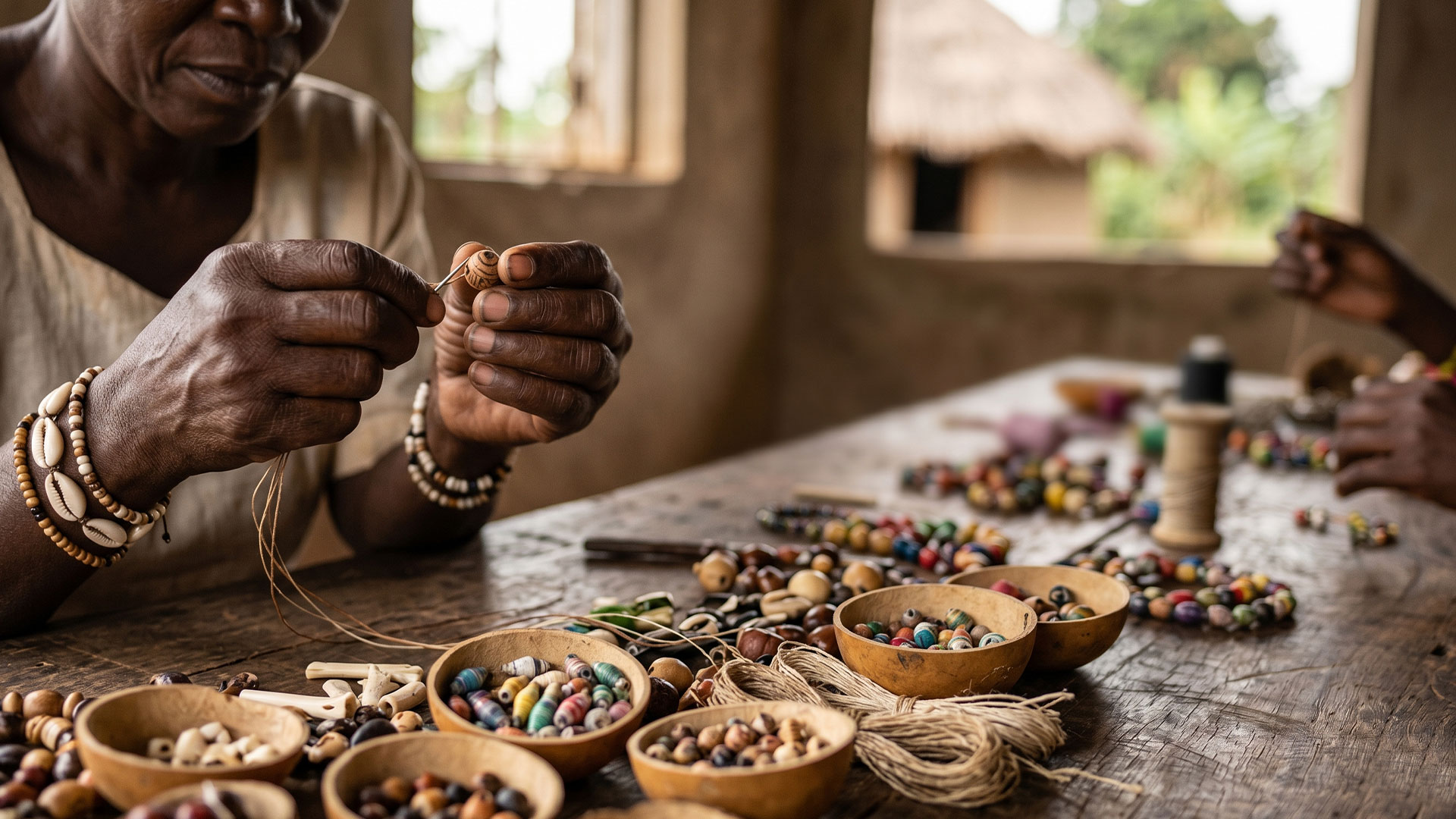
Uganda is known for its vibrant arts and crafts, and beadwork is among the most captivating forms. From colourful necklaces and bracelets to ceremonial adornments, Ugandan beadwork tells stories of culture, identity, and creativity.
Rural communities across Uganda have kept beadwork alive for generations. In addition to beauty, beadwork carries cultural meanings, spiritual significance, and even social status. Today, artisans are blending traditional techniques with modern designs, making their creations popular locally and internationally.
In this article, we explore Ugandan beadwork artisans, their techniques, cultural importance, and how you can buy ethically while supporting local communities.
1. History of Beadwork in Uganda
Beadwork in Uganda has been part of culture for centuries:
- Used in royal attire, especially in Buganda and Ankole
- Signified social status, age, and marital status
- Worn during ceremonies like weddings, initiation rituals, and cultural festivals
- Made from natural materials like seeds, bones, shells, and later glass beads
Each ethnic group has unique patterns, colours, and designs. For example:
- Baganda: Use intricate bead collars for ceremonies
- Teso and Karamojong: Use layered bead necklaces to represent age and community roles
- Ankole: Include beadwork in traditional dress for women and men
Beadwork was not only decorative but also a way to communicate social and cultural identity.
2. Materials Used by Artisans
- Glass beads – vibrant colours, widely used today
- Wood and seeds – for rustic, earthy designs
- Shells and bones – traditional and symbolic
- Wire and threads – for structural support and flexibility
- Metal charms or pendants – for modern twists
Artisans carefully select materials based on colour symbolism, durability, and cultural meaning.
3. Techniques of Ugandan Beadwork
a) Stringing and Weaving
- Beads are strung on threads or wires to form necklaces, bracelets, or belts
- Weaving techniques create intricate patterns and textures
b) Loom Beading
- Artisans use small looms to create detailed and precise designs
- Often used for decorative panels, belts, and ceremonial pieces
c) Embroidery with Beads
- Beads are sewn onto fabric to decorate traditional dresses like Gomesi
- Adds elegance to outfits while preserving cultural motifs
d) Layering and Stacking
- Necklaces or bracelets often feature multiple layers of beads
- Each layer can signify social or personal symbolism
These techniques have been passed down through generations, often taught from parent to child.
4. Cultural Significance of Beadwork
a) Identity and Heritage
- Patterns and colours tell stories of ethnic identity, family lineage, and social roles
- Wearing traditional beadwork preserves cultural heritage
b) Ceremony and Rituals
- Weddings: Brides and grooms wear beadwork for beauty and symbolism
- Initiations: Youth wear specific bead patterns for rites of passage
- Festivals: Dance troupes and cultural performers wear beadwork to honour tradition
c) Status and Wealth
- Some designs are exclusive and intricate, indicating wealth or high social standing
- Beadwork is often gifted to mark respect or recognition
5. Profiles of Artisans
a) Rural Baganda Artisans
- Typically women who learn beadwork at a young age
- Focus on necklaces, bracelets, and ceremonial collars
- Sell in local markets, at cultural events, and to tourists
b) Karamojong Artisans
- Mostly women and girls from pastoralist communities
- Layer beads to create colourful necklaces and belts
- Their work is recognised for bold patterns and bright colours
c) Ankole and Teso Artisans
- Focus on beaded belts and clothing accents
- Designs reflect traditional symbols, nature, and folklore
These artisans not only create beauty but pass on cultural knowledge through every bead.
6. Modern Adaptations and Innovations
- Contemporary designs for modern fashion, including earrings, bags, and shoes
- Beads combined with leather, cloth, and metal for fusion styles
- Online marketplaces allow artisans to reach international buyers
- Beadwork is now part of interior decor, such as wall hangings or table mats
Modern adaptations allow Ugandan beadwork to stay relevant and appeal to global markets.
7. Economic Importance
a) Income Generation
- Artisans earn from sales in markets, tourism, and online platforms
- Provides income for women and youth in rural communities
b) Tourism Boost
- Visitors love authentic, handmade Ugandan jewellery
- Craft tourism encourages cultural exchange and local spending
c) Entrepreneurship
- Small beadwork businesses often grow into larger enterprises
- Some artisans export to international clients or collaborate with designers
Beadwork is not just art — it’s an economic engine for rural Uganda.
8. Ethical Buying Tips
- Buy Directly from Artisans or Cooperatives
- Avoid middlemen to ensure artisans earn fair income
- Check for Handmade Items
- Handmade items preserve skill and cultural authenticity
- Respect Cultural Significance
- Ask about the meaning of colours, patterns, or designs
- Support Sustainable Practices
- Ensure beads and materials are sourced responsibly
- Spread Awareness
- Share your experience on social media or blogs to promote Ugandan artisans
Ethical buying preserves culture, empowers communities, and ensures the art survives for future generations.
9. Where to Buy Beadwork in Uganda
a) Local Markets
- Kampala: Craft markets like Owino Market, Uganda Crafts 2000
- Jinja and Entebbe: Smaller artisan markets
b) Cultural Festivals
- Annual festivals showcase beadwork from all regions
- Perfect opportunity to meet artisans and learn about their craft
c) Homestays and Villages
- Some villages welcome visitors to learn bead-making
- Hands-on experiences allow you to buy directly from the maker
d) Online Platforms
- Artisans use Facebook, Instagram, and Etsy to sell internationally
- Make sure the seller supports local communities
10. Preserving the Future of Beadwork
- Teach youth in villages traditional techniques
- Document patterns and cultural meanings
- Combine traditional designs with modern fashion to maintain relevance
- Promote beadwork through education, tourism, and cultural programs
Jewellery and beadwork in rural Uganda are more than just beautiful accessories — they are stories, history, identity, and livelihood. Each necklace, bracelet, and ornament carries a piece of Uganda’s cultural soul.
By supporting local artisans ethically, you preserve a centuries-old craft, empower communities, and take home a piece of Ugandan culture.
Ugandan beadwork is vibrant, meaningful, and alive — a perfect blend of tradition and innovation, ready to be shared with the world.