Upcycling & Eco‑Art in Uganda: Turning Waste into Modern Sculptures & Wearables

Kruti Verma
Date: Oct. 27, 2025
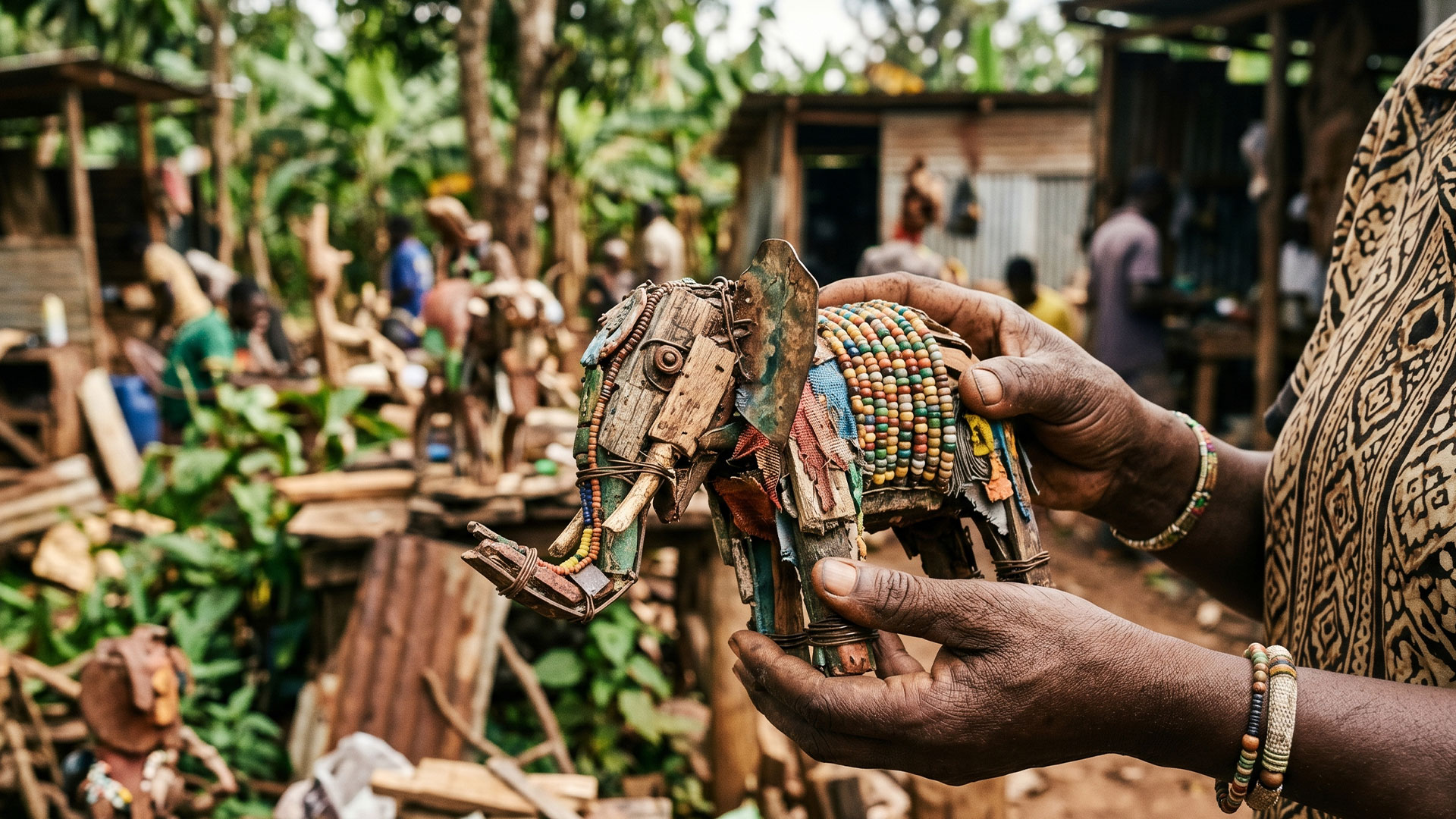
Every day in Uganda, tons of waste materials pile up: plastic bottles, old tires, scrap metal, discarded electronics, bits of fabric, polythene bags. We see them in roadsides, in dumps, even floating in rivers. Often we think they are only trash. But for some Ugandan artists and communities, waste is not just something to remove. It is raw material. It becomes art. It becomes wearables. It becomes statements. This is the story of upcycling and eco-art in Uganda—how artists see value in waste, how communities are involved, how modern sculptures and wearables are made from “trash,” and why this matters.
What Is Upcycling & Eco-Art?
First, some simple definitions:
- Upcycling means taking something old or thrown away (waste) and turning it into something new, often better or more beautiful or more useful.
- Eco-art means art made with concern for the environment. Often eco-artists use reused, recycled, or waste-reducing materials.
In Uganda, upcycling and eco-art mean using discarded plastics, scrap metals, old fabrics, and electronics to create art, fashion, and wearables that tell stories and inspire change.
Why Upcycling & Eco-Art Matter in Uganda
- Environmental benefit
Recycling and reuse reduce litter, pollution, and landfill burden.
- Cultural expression and identity
Using local materials connects art to people’s lives and communities.
- Economic opportunity
Upcycling lowers costs for artists and can generate income through art sales, workshops, and tourism.
- Awareness and education
Eco-art inspires people to think differently about waste and the environment.
Artists & Projects in Uganda Leading the Way
Ruganzu Bruno & Ecoart Uganda
Founder of Ecoart Uganda, promoting environmental awareness through art. Projects include a playground in Kireka built from old tyres and bottles, and “The Hand That Speaks,” a sculpture made from thousands of plastic bottles.
Richard Atugonza
Creates expressive sculptures using waste such as plastic bottles, charcoal residue, and sawdust. His Imperfection Perfections series explores beauty, flaws, and identity.
Other Artists
Katesi Jacqueline Kalange works with single-use plastics and second-hand clothes to create large sculptures and wearables.
Patrick Mulondo makes scrap metal art and jewelry, working with street children to collect and reuse waste.
Types of Waste & Materials Used
- Plastic bottles & polythene
Used in large sculptures and jewelry.
- Old tires
Made into swings, sculptures, and wearable pieces.
- Scrap metal
Used for sculpture frames and jewelry.
- Fabric & second-hand clothes
Turned into wearables, bags, and accessories.
- Charcoal residue & sawdust
Used for sculpture texture and detail.
- Electronic waste
Used in small art pieces and installations.
Wearable Eco-Art: Fashion & Jewelry from Waste
- Jewelry from bottle caps, plastic rings, and metal scrap.
- Belts and wristbands from tyre rubber.
- Clothing and bags from patchwork fabrics.
These wearables not only look beautiful but tell stories about sustainability and creativity.
How Eco-Art Projects Happen
- Collecting materials – Bottles, fabrics, metal are gathered by artists or communities.
- Sorting and cleaning – Materials are cleaned and separated for safety and type.
- Designing – Artists and locals plan ideas and sketches.
- Assembly – Materials are cut, welded, sewn, or joined to create the art.
- Finishing – Painting, polishing, and weather-proofing.
- Displaying – Art is shown or worn in exhibitions and community spaces.
Challenges Artists Face
- High tool and material costs.
- Durability issues with outdoor works.
- Limited market and low pricing for waste-based art.
- Public perception of waste as “dirty.”
- Health and safety risks handling scrap and e-waste.
- Inconsistent waste supply.
Ideas to Grow Upcycling & Eco-Art
- Offer workshops and training in urban and rural areas.
- Hold festivals and exhibitions for eco-art visibility.
- Partner with local waste collectors.
- Place eco-art in schools, parks, and hospitals.
- Organize eco-fashion shows and wearable art markets.
- Support artists with grants and shared workspaces.
- Promote eco-art online and through storytelling.
What You Can Do
- Donate recyclable waste to artists.
- Buy and wear eco-art.
- Attend exhibitions and promote them online.
- Use upcycled materials in your projects.
- Start local eco-art clubs or initiatives.
The Promise & The Future
- More young eco-artists emerging in Uganda.
- Integration into art education and design programs.
- International recognition and awards.
- Developing a circular economy through art.
- Increased environmental awareness and reuse.
Upcycling and eco-art in Uganda are transforming waste into creativity, sustainability, and community pride. When a plastic bottle or tyre becomes art, it’s not just material change—it’s a shift in mindset. Waste becomes a resource, and art becomes a voice for a cleaner, more creative Uganda.