

Date: Jan. 12, 2026
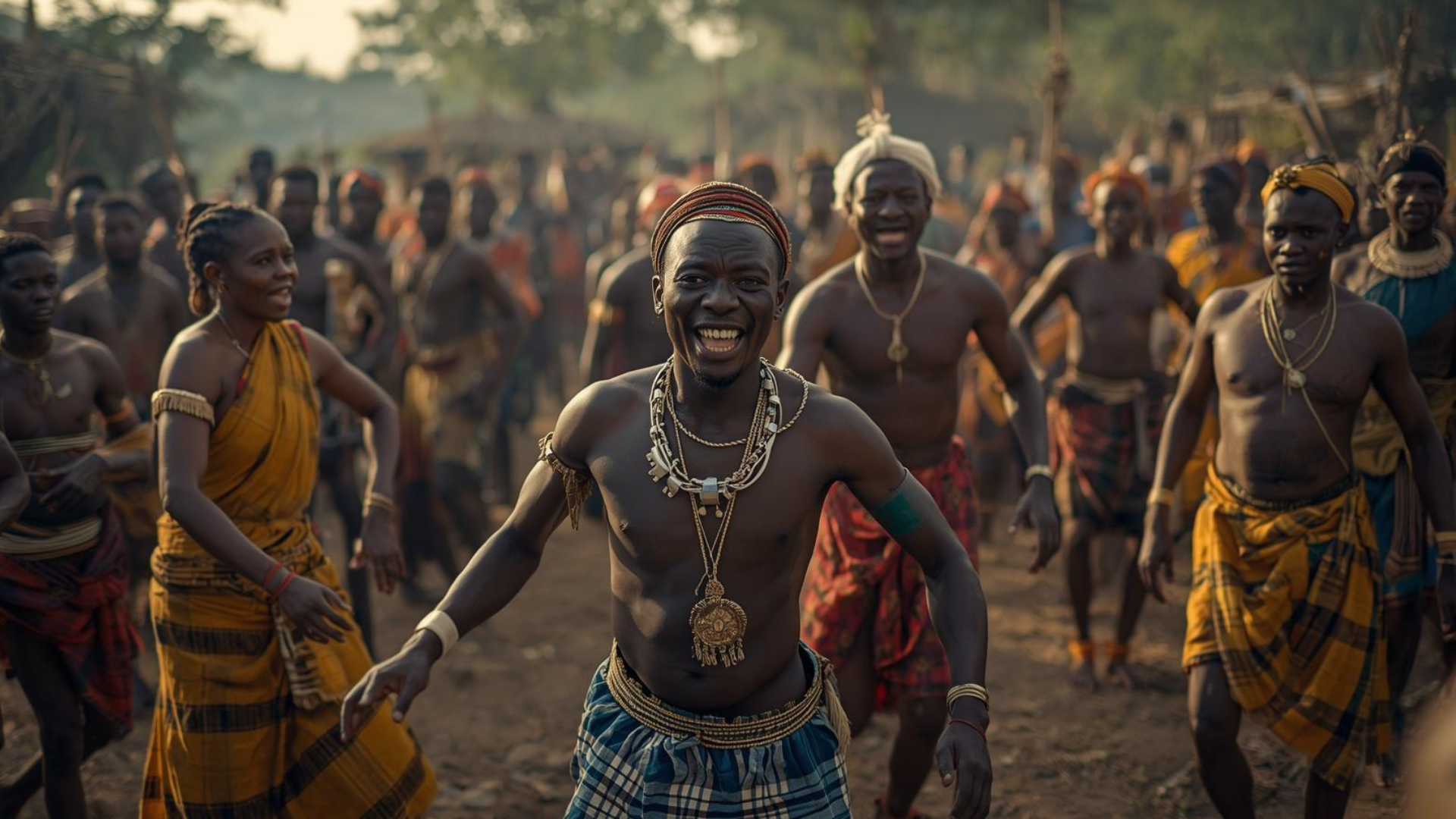
Uganda is home to many cultures, tribes, and communities. Each group has its own way of living, believing, celebrating, and remembering the past. Long before modern religion, schools, and cities, communities in Uganda used rituals, festivals, and ceremonies to guide life. These traditions helped people understand birth, marriage, death, seasons, nature, and their connection to the spirit world. Even today, many of these indigenous practices still exist. Some are openly celebrated, while others are quietly practiced within families and clans. This blog explores indigenous rituals, festivals, and ceremonies across Uganda, with a focus on lesser-documented tribes and traditions that are often missed. Why Indigenous Rituals Still Matter Today Indigenous rituals are not just old customs. They are living traditions that shape identity, values, and community bonds. These rituals help communities: • Mark important life events • Pass knowledge to younger generations • Maintain harmony with nature • Strengthen family and clan ties • Preserve history and identity Even in modern Uganda, many people blend traditional rituals with modern religion and lifestyles. Understanding Rituals, Festivals, and Ceremonies Though often used together, these terms have different meanings. • Rituals are specific actions done for spiritual or cultural reasons • Ceremonies mark important life events • Festivals are community celebrations, often seasonal All three play an important role in Ugandan culture. Birth and Naming Ceremonies Across Communities Birth is seen as a blessing in many Ugandan cultures. Traditional birth rituals focus on protection, identity, and community acceptance. Naming Ceremonies In many tribes, naming a child is not rushed. Some communities wait days or weeks to observe the child. Names often: • Reflect family history • Honor ancestors • Describe birth conditions • Carry spiritual meaning Among the Baganda, Banyoro, and Basoga, names can connect a child to clan lineage. Elders play a key role in naming ceremonies. Protective Rituals Some communities perform rituals to protect newborns from illness or bad spirits. These rituals may involve herbs, blessings, or symbolic actions. Though modern medicine is widely used, these practices still hold emotional and cultural value. Initiation and Coming-of-Age Ceremonies Growing into adulthood is an important transition in many Ugandan cultures. Male Circumcision Among the Bagisu One of the most well-known initiation ceremonies is the Imbalu among the Bagisu people of eastern Uganda. This ceremony: • Marks the transition from boyhood to manhood • Is done publicly • Involves music, dancing, and community participation Though now regulated for safety, the cultural meaning remains strong. Female Initiation Traditions In some communities, girls undergo ceremonies that prepare them for womanhood. These ceremonies focus on: • Responsibility • Respect • Family values Many of these practices have changed over time to protect girls’ rights, but elders still teach traditional values through storytelling and mentorship. Marriage Ceremonies and Traditional Weddings Marriage ceremonies in Uganda are rich with symbolism and community involvement. Introduction Ceremonies Before a wedding, many tribes hold an introduction ceremony where families meet. This ceremony: • Shows respect • Confirms intentions • Strengthens family bonds Gifts such as food, livestock, or traditional items are exchanged. Traditional Wedding Rituals Traditional weddings often include: • Blessings from elders • Traditional music and dance • Symbolic gestures like sharing food These ceremonies remind couples that marriage connects families, not just individuals. Rituals Connected to Land and Nature Land and nature are deeply sacred in many Ugandan cultures. Rain-Making Rituals Some communities perform rituals to ask for rain during dry seasons. These rituals involve elders, sacred sites, and offerings. They reflect respect for nature and the belief that humans must live in balance with the environment. Sacred Forests and Hills Certain forests, rivers, and hills are considered sacred. Rituals performed there are meant to: • Honor ancestors • Seek guidance • Maintain harmony These sites are protected through tradition, helping conserve nature. Festivals Celebrating Seasons and Community Festivals bring people together in joy and remembrance. Harvest Festivals After successful harvests, communities celebrate with music, food, and thanksgiving rituals. These festivals: • Appreciate hard work • Share food • Strengthen unity They also remind people to respect the land. Cultural Dance Festivals Across Uganda, traditional dances are performed during festivals. Each dance tells a story, reflects daily life, or honors ancestors. Dance keeps culture alive and passes it to younger generations. Rituals Honoring Ancestors Ancestor worship is an important part of many indigenous beliefs. Why Ancestors Matter Ancestors are seen as protectors and guides. Rituals honor them during: • Family gatherings • Crises • Major decisions These rituals keep family history alive and remind people of their roots. Forms of Ancestral Rituals These may include: • Offering food • Prayer • Storytelling • Visits to ancestral land Such rituals strengthen family identity. Lesser-Documented Tribes and Traditions Some communities in Uganda are small and less known. Ik People of Northeastern Uganda The Ik people have unique traditions connected to survival, land, and community cooperation. Their ceremonies focus on unity, sharing, and resilience in a harsh environment. Batwa Cultural Rituals The Batwa, indigenous forest people, have rituals tied to the forest. Their songs, dances, and ceremonies reflect deep knowledge of nature. Preserving their culture is important for identity and dignity. How Modern Life Is Affecting Indigenous Rituals Modernization has changed many traditions. Challenges • Urban migration • Influence of modern religion • Loss of elders • Changing values Some rituals are fading as young people move away. Adaptation and Survival Many communities adapt by: • Combining tradition with modern beliefs • Teaching culture through schools and cultural centers • Holding festivals to revive traditions Culture evolves, but its core values remain. Role of Elders in Preserving Traditions Elders are the keepers of culture. They: • Lead rituals • Share stories • Teach values • Guide communities Respecting elders helps preserve indigenous knowledge. How Visitors Can Respect Cultural Traditions Travelers interested in culture should approach with respect. Tips for visitors: • Ask permission before attending rituals • Avoid taking photos without consent • Listen more than you speak • Follow local guidance Cultural tourism should support, not exploit, traditions. Why Preserving Indigenous Culture Matters Indigenous rituals are part of Uganda’s heritage. Losing them means losing history, wisdom, and identity. Preservation helps: • Strengthen community pride • Educate younger generations • Promote cultural understanding • Support sustainable tourism Culture is a living treasure. Traditions That Connect Past and Present Uganda’s indigenous rituals, festivals, and ceremonies are not relics of the past. They are living expressions of identity and belief. They remind us that community, respect, and harmony with nature matter. As Uganda continues to grow and modernize, these traditions provide balance and meaning. By listening, learning, and respecting, we help keep these traditions alive for future generations.