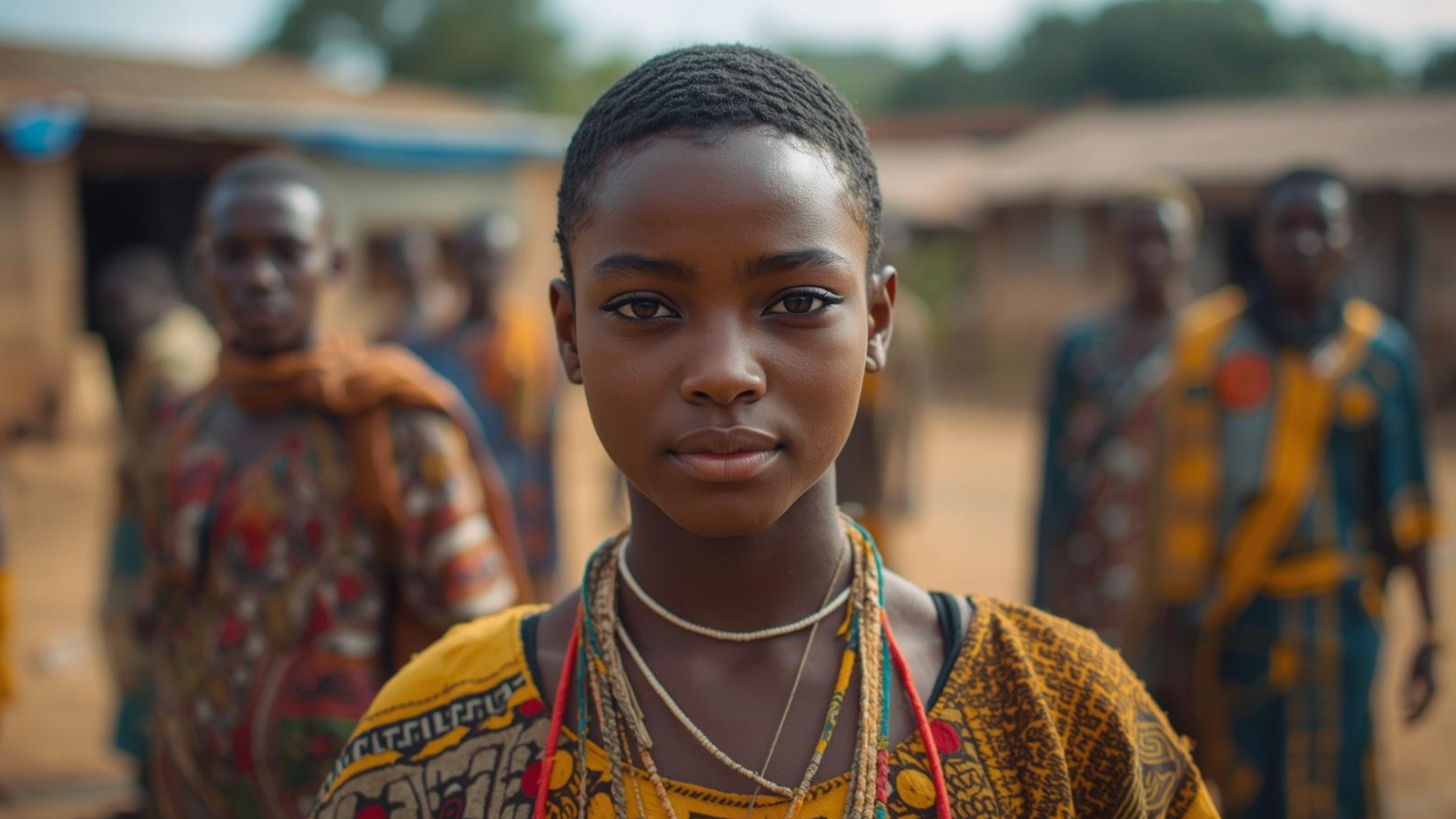
The Influence of Modernisation on Traditional Clothing and Fashion in Uganda How Younger Ugandans Blend Traditional Attire with Contemporary Style

Admin
Date: Dec. 8, 2025
Uganda’s Fashion Journey: Where Tradition Meets Modern Style
Uganda is a country full of culture, colour, and creativity. One of the most visible signs of this is fashion. For centuries, Ugandans wore traditional clothes that reflected their communities, ceremonies, and history. Outfits like the gomesi, kanzu, and attire made from kitengi have been part of cultural identity for generations.
But today, Ugandan fashion is changing. Younger generations are blending traditional attire with modern styles, creating new fashion trends that are both beautiful and meaningful. This mix represents a balance between respect for culture and the desire for modern expression.
In this article, we explore how modernisation is shaping fashion in Uganda, how young people are blending tradition with contemporary style, and what this means for the future of Ugandan culture.
1. Traditional Ugandan Clothing: A Quick Overview
a) Gomesi
- Worn by women, mostly in Buganda and other central regions.
- A floor-length dress with bright colours and long, puffed sleeves.
- Often paired with a sash tied at the waist.
- Traditionally worn at weddings, cultural events, and formal ceremonies.
b) Kanzu
- Worn by men, especially in Buganda, Teso, and other regions.
- A long, white or cream robe, often paired with a suit jacket during special events.
- Worn at weddings, religious ceremonies, and official occasions.
c) Kitengi
- A colorful, printed fabric used across Uganda.
- Worn as dresses, skirts, blouses, headscarves, and accessories.
- Very versatile — suitable for everyday wear or formal events.
d) Other Regional Attires
- Ankole and Kigezi communities have traditional cowhide clothing.
- Northern Uganda features Acholi and Lango styles with unique patterns.
Traditional clothing often reflects social status, cultural identity, and marital status.
2. Modernisation and Changing Lifestyles
- People move to cities for work or school.
- Western-style clothing like jeans, T-shirts, and suits became common.
- Global fashion trends influence local styles.
- Young people prefer clothes that are comfortable, stylish, and suitable for work or social life.
This created a challenge: how to preserve traditional fashion while embracing modern life.
3. How Young Ugandans Blend Tradition and Modernity
a) Kitengi in Everyday Fashion
- Women wear kitengi as skirts, crop tops, jackets, and jumpsuits.
- Men wear kitengi shirts paired with jeans or chinos.
- Designers combine kitengi with Western fabrics for practical city wear.
b) Gomesi with a Twist
- Some young women wear shorter gomesi styles.
- Bright colours paired with modern shoes and accessories.
- Gomesi-inspired dresses used for parties and office events.
c) Kanzu in Modern Men’s Wear
- Kanzu robes paired with blazers or vests.
- Shortened kanzu designs for easier movement.
- Modern embroidery patterns and colours.
d) Accessories and Footwear
- Traditional outfits paired with sneakers, sandals, or heels.
- Beaded jewellery, leather belts, and handbags complement outfits.
- Mixing old and new styles creates unique fashion statements.
4. Role of Ugandan Designers
a) Emerging Designers
- Designers create modern outfits using kitengi and gomesi fabrics.
- They experiment with cuts, patterns, and colours appealing to youth.
b) Fashion Shows
- Kampala and East African shows promote fusion designs.
- Models showcase traditional-modern creativity.
c) Online Platforms
- Instagram, Facebook, and TikTok help designers reach audiences.
- Young Ugandans share blended outfit ideas.
- Traditional clothing is becoming trendy among youth.
5. Fashion as Cultural Preservation
- Modernised traditional attire keeps culture visible.
- Young people stay connected to their roots.
- Fashion educates others about Ugandan heritage.
- Weddings and festivals showcase mixed-style outfits.
6. Urbanisation and Its Influence
- Cities require flexible clothing for office and school life.
- Youth blend Western and traditional styles for professional looks.
- Street fashion features kitengi jackets and kanzu-inspired shirts.
Urbanisation encourages experimentation and creativity.
7. Fashion and Social Media
a) Instagram and TikTok
- Influencers style kitengi with denim, sneakers, and jackets.
- Platforms spread cultural fashion globally.
b) Facebook Groups
- Communities share tips, tailor contacts, and inspiration.
- Small businesses promote modernised traditional wear.
c) YouTube and Tutorials
- Videos teach styling kitengi and modernising gomesi and kanzu.
- People learn to blend traditional and modern fashion.
8. Challenges in Modern-Traditional Fashion
a) Cost of Tailoring
- Custom outfits can be expensive.
- High-quality fabrics increase costs.
b) Cultural Sensitivity
- Some elders worry modern adaptations may disrespect tradition.
- Balance is needed between creativity and cultural respect.
c) Limited Availability
- Not all areas have skilled tailors.
- Rural regions may stick to older styles.
d) Copying Designs
- Some styles are copied without crediting designers.
- Ethical buying supports artisans.
9. The Future of Ugandan Fashion
Opportunities
- Fashion Entrepreneurship: Designers launching online businesses.
- Cultural Promotion: Ugandan fashion showcased globally.
- Tourism Boost: Visitors attracted to unique outfits.
- Employment for tailors and artisans.
Trends to Watch
- Eco-friendly fabrics with traditional prints.
- Shortened, versatile gomesi styles.
- Kitengi sneakers, bags, and accessories.
- Men’s suits with kanzu embroidery.
Fashion is more than clothing — it is identity, culture, and creativity.
10. Why This Matters
- It preserves culture in a changing world.
- It empowers young designers and entrepreneurs.
- It strengthens national pride.
- It connects rural and urban communities.
- It gives Uganda a global fashion identity.
Fashion is a bridge between the past and the present — and Ugandan youth are walking confidently across it.
Uganda’s fashion scene is alive, vibrant, and evolving.
Younger generations blend gomesi, kanzu, and kitengi with modern styles.
This movement keeps culture alive while making it relevant for everyday life.
It empowers designers, tailors, and youth to innovate.
It strengthens identity and celebrates Uganda’s rich heritage.
Traditional Ugandan clothing is no longer just a symbol of the past — it is a living, evolving art form. Uganda’s future in fashion looks bright, colorful, and stylish.