The Revival of Indigenous Languages in Uganda: Stories, Songs & Education

Kruti Verma
Date: Oct. 13, 2025
The Revival of Indigenous Languages in Uganda: Stories, Songs & Education
In Uganda, hundreds of languages are spoken. Some are strong and many people use them every day. Others are less heard, used less often, especially by younger people. These indigenous languages are more than just ways of talking—they carry culture, histories, songs, wisdom, identity. In recent years, many Ugandans have begun working hard to revive and protect these native tongues. This is a story of hope: how stories, songs, and education are helping bring indigenous languages back to life.
Why Indigenous Languages Matter
- Identity and culture: When you speak your mother tongue, you are connected to your ancestors, your traditions, your community. Words you learned at home, stories your grandparents tell, proverbs—they all make up your being.
- Understanding and learning: Many children learn best when taught in the language they speak at home. If school lessons are only in a language they do not use often, they can struggle to understand. This can make learning harder.
- Wisdom and local knowledge: Indigenous tongues carry knowledge about the land, plants, animals, local practices, folklore, songs. Much of this is not recorded anywhere else. If language dies, so too can that knowledge.
- Social cohesion and respect: Recognizing and using many of Uganda’s languages helps people feel respected. It helps reduce feeling left out because you don’t speak the “official” or “foreign” language well.
What’s Happening in Uganda: Current Revival Efforts
Multilingual education in Eastern Uganda
The National Curriculum Development Centre (NCDC) has selected several indigenous languages to be used as medium of instruction in lower primary school (grades P1‑P3) in eastern Uganda. These languages include Lusoga, Lugwere, Lumasaba, Ateso, Japadhola, Lunyole, Kumam, Kupsabiny, and Lusamia.
The study showed that children learn literacy and numeracy better when the foundation is built using a language they already understand at home. In higher classes, English gradually takes over so that children are still able to use it well.
Organisations working in language development
- SIL International: Works in Uganda with various language communities on translation, writing materials, teacher training.
- Lusoga Language Authority (LLA): Promotes and standardises Lusoga, develops materials, encourages its use in schools, media, social life.
- Luganda Society: Works to preserve Luganda, its literature, proverbs, orthography, and holds literature competitions.
- Busolwe Public Library & Lunyole Language Association: In Butaleja District, this association has worked since the 1960s to write and publish children’s storybooks in Lunyole.
Awareness and cultural activism
- Nnaabagereka Sylvia Nagginda has called on parents to teach their children their mother tongues, warning that cultural identity is in danger if these tongues are lost.
- At Kabale University, language experts warned about the decline of indigenous languages and urged more inclusion in education and media.
- On International Literacy Day 2024, Uganda’s stakeholders emphasised the role of multilingual education in building social cohesion and economic transformation.
Role of Stories & Songs: How They Help
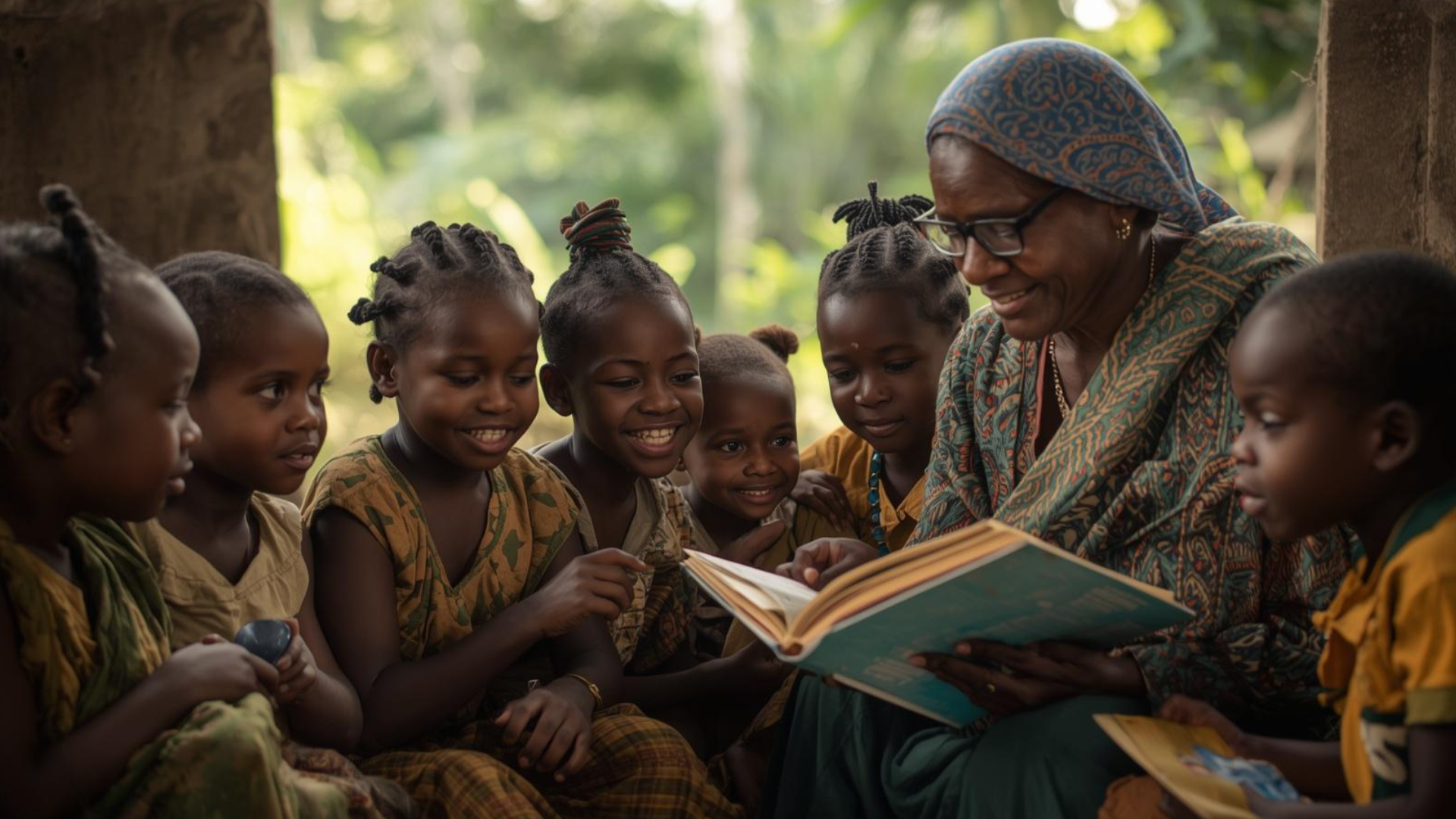
- Oral history and storytelling: Stories passed down by grandparents carry vocabulary, expressions, cultural values. They help children feel more connected.
- Songs and music: Traditional and contemporary songs in local languages help keep languages alive. Music makes language fun and memorable.
- Drama, poems, proverbs: Community shows and proverbs preserve idiomatic ways of speaking and cultural wisdom.
- Media, radio, local publications: Local radio, storybooks, and publications give people a chance to read and hear their language, increasing prestige.
Challenges
- Resources: Creating books and training teachers in many languages is expensive.
- Attitudes: Some people believe English is more valuable, and indigenous languages are seen as less important.
- Standardization: Lack of standard spelling or grammar in some languages creates difficulty.
- Media and modern life influence: English and Swahili dominate due to globalization and urban life.
- Policy and implementation gaps: Even with good policies, practical implementation takes time and coordination.
What More Can Be Done: Paths Forward
- Strengthen mother‑tongue education: Train more teachers and expand use of local languages in early education.
- Produce more books, stories, songs: Support creative content in indigenous languages, especially for children.
- Use media wisely: Promote radio, podcasts, and social media in local languages.
- Cultural festivals & community programmes: Organise events where people perform in their native tongues.
- Policy support and funding: Ensure government and NGOs make and fund supportive policies.
- Attitude change: Encourage families to speak and value their native languages.
- Technology and digitization: Develop apps, story libraries, and digital tools to engage youth.
Real Lives: Voices & Examples
- A child in eastern Uganda began learning to read in Lunyole. She gained confidence and performed better.
- Busolwe Public Library holds over 100 Lunyole storybooks. Children borrow books and feel joy seeing their language in print.
- Young musicians mix local languages with modern music, making native words popular and cool among youth.
- Parents are relearning their mother tongues to teach their children, reconnecting generations.
Why This Helps Uganda as a Whole
- Better learning outcomes: Children understand better and perform well when taught in their mother tongue.
- Preserves culture, builds identity: Uganda’s rich diversity becomes a national strength.
- Social inclusion: People feel respected when their language is valued.
- Economic opportunities: Jobs are created in publishing, translation, media, and education.
The revival of indigenous languages in Uganda is not just a nostalgic longing for the past. It is alive, active, and shaping the future. Through stories, songs, education, media, policy, people are bringing these mother tongues back into everyday life. The journey is not always easy—but it is important.
Each person can play a part: parents speaking to their children, elders sharing stories, songwriters using local voices, teachers teaching in mother tongue, media using indigenous languages, everyone valuing what their native language carries.
If we keep working together, Uganda’s many voices—and languages—can thrive. They will continue to tell stories, sing songs, teach children, hold wisdom of the land, of people, of identity. That is the revival. And that revival belongs to everyone.