

Date: May 13, 2025
Uganda is a beautiful country in East Africa. It is known as the "Pearl of Africa" because of its natural beauty, warm people, and rich culture. The culture of Uganda is a mix of traditions, customs, languages, music, dance, food, and values. It is shaped by over 50 ethnic groups living together peacefully. Each group has its own way of life, which makes Uganda a very special and diverse place.
In this blog, let’s explore the culture of Uganda in a simple and honest way.
Uganda is home to many tribes. The main ones include the Baganda, Banyankole, Basoga, Bakiga, Acholi, Langi, Bagisu, Iteso, Karimojong, and Batoro. Each tribe has its own language, dressing style, food, and traditions.
The Baganda are the largest ethnic group and live mostly in the central part of Uganda. Their culture has influenced many parts of the country.
Despite the differences, the people of Uganda are united. They are known for being friendly, welcoming, and respectful to others.
Uganda has over 40 local languages. But the official languages are English and Swahili. Many people also speak Luganda, especially in the central region.
Children grow up speaking their local language at home, and they learn English and Swahili in school. This mix of languages shows how diverse and rich the Ugandan culture is.
Religion plays a big role in the lives of Ugandans. Most people are religious and believe in God.
The major religions in Uganda are:
People go to church or mosque regularly. Religion teaches them values like love, respect, and kindness. Even those who follow traditional beliefs respect nature, elders, and ancestors.
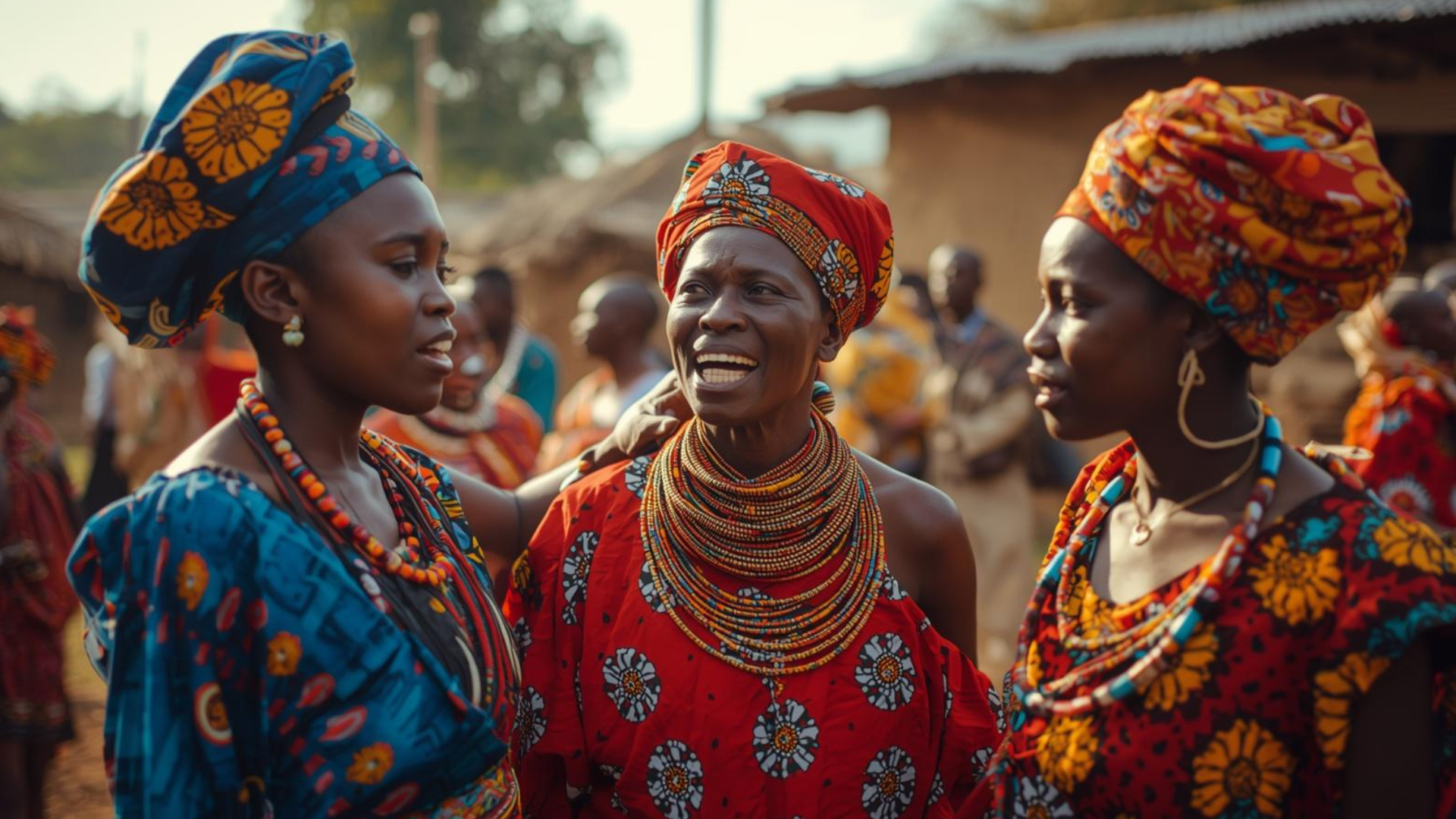
Ugandans wear both modern and traditional clothes. On special days like weddings and cultural events, people dress in their traditional outfits.
Some examples are:
These clothes are colourful and beautiful. They show pride in their culture and heritage.
Food is an important part of Ugandan culture. Ugandans love to eat together with family and friends.
Common Ugandan dishes include:
Most meals are cooked fresh and shared with love.
Music and dance are at the heart of Ugandan culture. Every tribe has its own music style and instruments like drums, flutes, and string instruments.
People sing and dance at all kinds of events — weddings, birthdays, festivals, and even during work. Music brings people together and expresses joy, love, and emotions.
Some famous music styles in Uganda are:
Local artists like Eddy Kenzo, Sheebah, and Bobi Wine have made Ugandan music known across the world.
Family is very important in Uganda. People live in large families, and respect for parents and elders is deeply rooted.
In Ugandan culture:
Marriage is also a big part of life. Traditional weddings (called kwanjula in Buganda) are colourful events full of joy, music, food, and dancing.
Uganda has many cultural events and ceremonies that celebrate life and history. These include:
Such events are full of colour, meaning, and happiness. They keep Ugandan traditions alive.
Uganda is also rich in art and crafts. Many people make beautiful items using local materials.
You can find these crafts in local markets and tourist shops. They are a source of income for many families and a way of sharing culture with the world.
Some of the most important values in Ugandan culture are:
These values make Uganda a warm and welcoming place.
Uganda celebrates many cultural and national events, such as:
Uganda’s culture is full of life, love, and history. From the way people dress and talk, to how they eat, dance, and celebrate — everything tells a story of togetherness and pride.
Whether you are visiting Uganda or just learning about it, the people and their culture will surely leave a mark on your heart. Uganda is not just a country — it’s a feeling, a family, and a place where culture lives in every smile and song.