

Date: Aug. 11, 2025
Uganda, often called the “Pearl of Africa”, has landscapes loved by tourists—but its real beauty lies in its rich cultural heritage and strong sense of identity. This is a country where ancient kingdoms, storytelling, music, craft, and community life still move at their own rhythm. Let’s take a journey through the cultural heart of Uganda, exploring traditions, music, dance, food, and more.
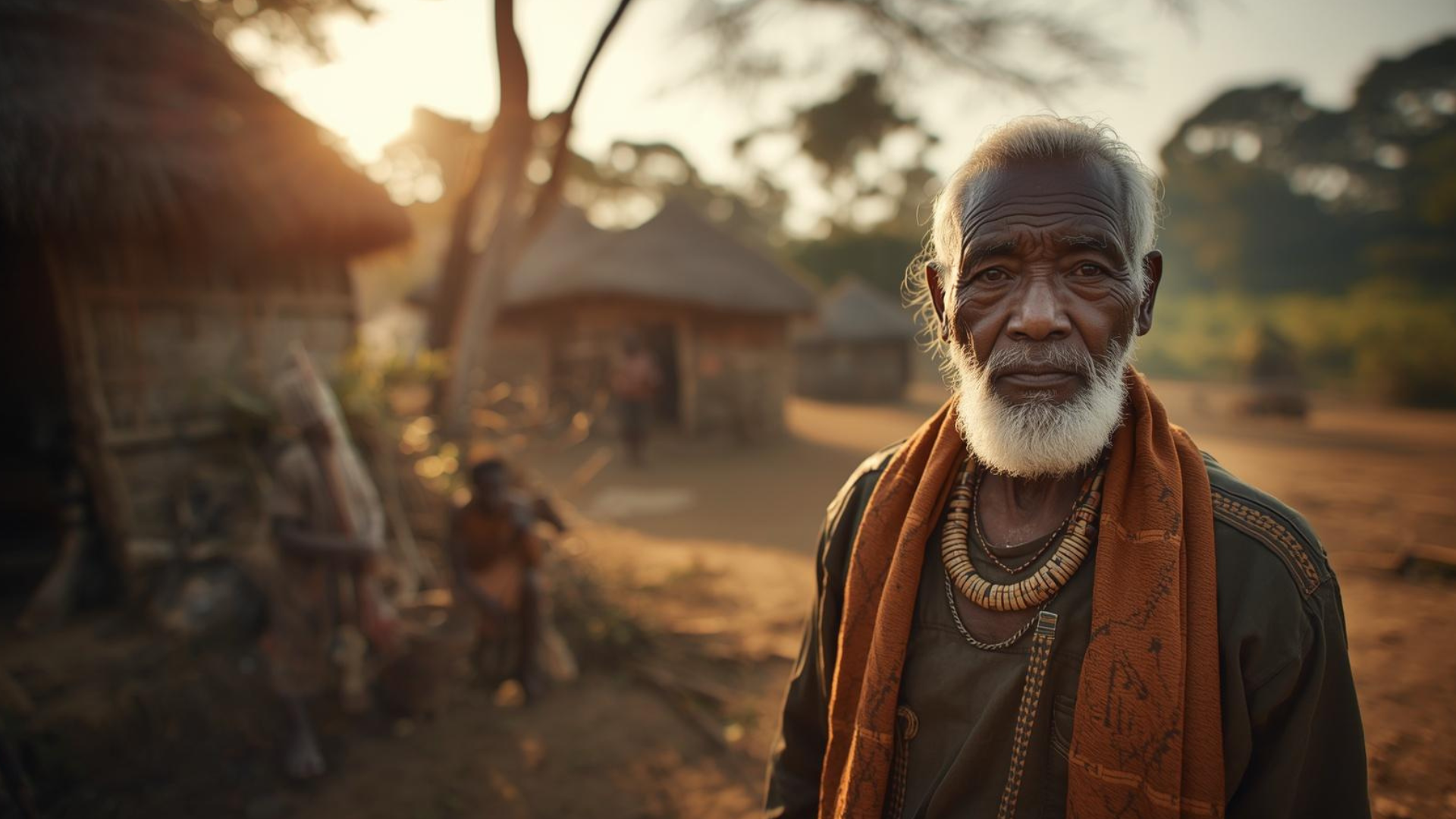
Uganda is home to over 50 ethnic groups, including the Baganda, Banyankole, Basoga, Bakiga, Acholi, Batooro, and many others. Each has its own language, customs, and identity—yet Ugandans share deep values of community, respect for elders, and warmth toward visitors. Ugandan family life often includes extended relatives under one roof. Elders are respected, histories are passed down through storytelling, and festivals bring everyone together. This unity in diversity is one of Uganda’s greatest strengths.
Uganda’s modern identity is tied to its Bantu kingdoms—such as Buganda, Bunyoro, Busoga, Toro, and Rwenzururu. These kingdoms preserve traditional rituals, royal ceremonies, folk songs, and cultural symbols, forming a living link to past centuries. The Buganda Kingdom, around Kampala, remains especially significant—its Kabaka (king) plays a symbolic role, and the annual cultural ceremonies draw huge crowds.
In Uganda, music and dance are everywhere—from royal courts to village squares. Each tribe has unique styles and instruments:
These dances are more than entertainment—they express identity, history, and communal values.
Traditional clothing is a visual feast in Uganda. Women of the Buganda region wear the gomesi, a graceful gown festooned with embroidery; men wear the kanzu, a white robe often embellished for special occasions. In other areas, such as Karamoja or western Uganda, very different styles emerge—bright blankets, beadwork, or bark cloth, each symbolising status or community ties.
Ugandan food connects deeply with identity and community. Staples include matooke (steamed green bananas), posho(maize porridge), and stews flavored with peanuts, meat, or vegetables.
There are also iconic regional specialties:
Eating isn’t just about taste—it’s a ritual of togetherness, hospitality, and sharing, especially when meals are served family-style or during ceremonies.
Artisans across Uganda create bead jewellery, wooden carvings, calabash instruments, baskets, and more—each item echoing local traditions and stories.
Meanwhile, oral history remains alive through folktales, proverbs, myth, and ritual storytelling—passed from elders to youth. These traditions teach morals, history, and identity across generations.
Life in Uganda is often marked by powerful public rituals:
These ceremonies reinforce identity, spiritual ties, and community continuity.
Among Uganda’s indigenous peoples, the Batwa of southwestern forests are among the most ancient. Displaced in the 1990s when national parks were created for gorilla protection, many Batwa lost access to land and traditions.
Now, some tour programs in Bwindi and Mgahinga involve Batwa elders sharing forest skills, songs, storytelling, and crafts—helping preserve their cultural heritage while bringing income to their community.Through this, visitors can learn and support the survival of indigenous identity tied to Uganda’s ancient forests.
Festivals are still central to Ugandan life. From the Buganda Kabaka’s Birthday to the Rwenzori Mountain Cultural Festival, people gather to celebrate heritage through music, dance, storytelling, and community meals.
These events renew cultural pride, showcase craftsmanship, and bring generations together to pass traditions forward.
Uganda balances tradition and modern life. Many younger Ugandans now design modern clothes inspired by gomesipatterns; young bands mix traditional rhythms with modern beats; and digital projects collect proverbs, dance steps, and folk tales for future generations.
At the same time, serious efforts are underway to preserve fragile traditions like Bigwala music, which risks disappearing without support and funding.Cultural centres and ethnographic museums help keep these traditions alive in changing times.
Uganda’s identity is not frozen in a museum; it lives in daily life—through food, song, craft, family, and ceremony. It unites a country with dozens of languages, landscapes, and histories under shared values of community, hospitality, and respect.
This cultural history helps visitors and Ugandans alike understand why the country moves at its own rhythm—and why its identity is both personal and collective.
Exploring Uganda's cultural history is more than sightseeing—it’s discovering a way of life. It’s tasting family meals, dancing in colourful fabrics, hearing stories sung by elders, and feeling that each tribe’s identity is a thread in a greater tapestry.
As you explore Uganda—through travel, food, music, or conversation—remember that the soul of the country lives in these traditions. It’s why guests are welcomed like family, why ceremonies fill villages with song, and why everyday life in Uganda still carries echoes of ancestors.
So whether you're savouring matooke with sauce, folding an ekizino dance, or listening to a story under a mango tree, you’re doing more than observing culture—you’re experiencing a living identity.
Uganda’s story is still being told. And what a beautiful story it is.