

Date: Feb. 2, 2026
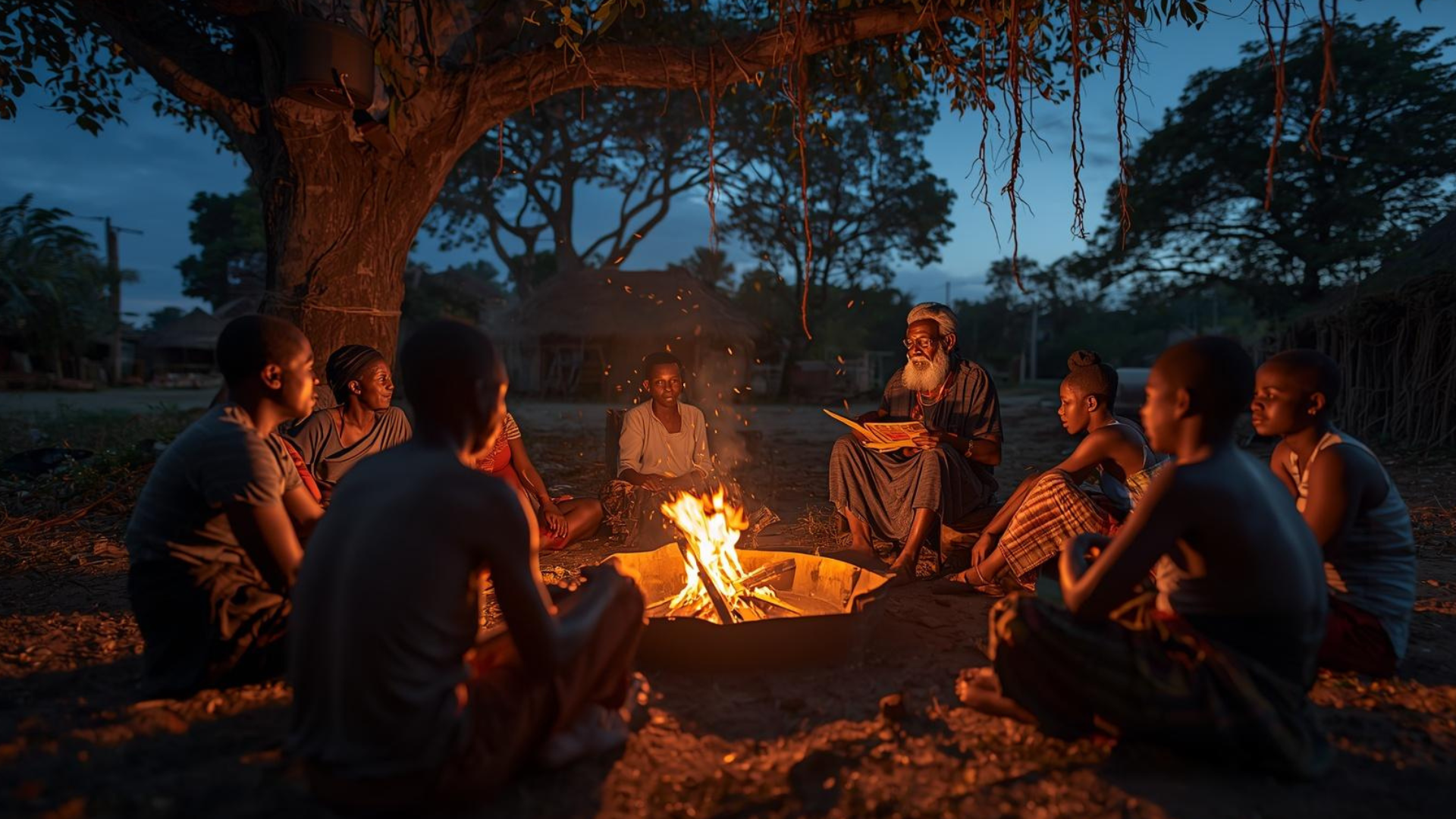
Before books, before newspapers, and before the internet, Ugandans shared knowledge through stories. These stories were told by elders around the fire, by parents to children at night, and by communities during gatherings. They explained where people came from, why the land matters, and how to live a good life. Oral histories, folklore, and legends are a big part of Uganda’s culture. They are not written in books, but they live in memory, voice, and tradition. Many of these stories are connected to rivers, hills, forests, and sacred places. They help people understand the world and their place in it. This blog explores Uganda’s rich storytelling traditions, famous and lesser-known legends, and why these stories still matter today. What Is Oral History and Folklore? Oral history is information passed from one generation to another through spoken word. It includes family histories, clan stories, migration tales, and community memories. Folklore includes: • Myths • Legends • Folktales • Proverbs • Songs These stories often teach lessons, explain natural events, or guide behavior. In Uganda, oral storytelling is a respected skill. Good storytellers are valued for their memory, wisdom, and ability to teach through stories. Why Storytelling Is Important in Ugandan Culture Storytelling is more than entertainment. It serves many purposes. It helps to: • Preserve history • Teach moral values • Strengthen identity • Pass cultural knowledge • Entertain and unite people Stories help children learn right from wrong. They also help adults remember who they are and where they come from. Storytelling Traditions Across Uganda Different communities in Uganda have different storytelling styles, but the purpose is often the same. Storytelling Around the Fire Traditionally, stories were told in the evening. Families gathered around the fire after a long day. Elders or grandparents usually led the storytelling. Children listened, asked questions, and learned through repetition. This was also a time for bonding and sharing wisdom. Use of Songs and Proverbs Many stories include songs, riddles, and proverbs. These make stories easier to remember. Proverbs are short but powerful. They carry deep meaning in simple words and are still used in daily conversation. Myths That Explain Nature and the World Many Ugandan myths explain how the world works. Creation Stories Different communities have their own creation stories. Some believe humans came from certain hills, forests, or waters. These stories explain: • The origin of people • The role of nature • The connection between humans and spirits Creation myths give meaning to land and environment. Stories About Animals Animal stories are very common. Animals often act like humans in these tales. For example: • The hare is clever • The lion is powerful • The tortoise is wise These stories teach lessons about behavior, intelligence, and consequences. Legends Tied to Landscapes and Sacred Places Many Ugandan legends are connected to real places. These places are often treated with respect and care. Hills and Mountains Some hills are believed to be homes of spirits or ancestors. Legends explain why these places are sacred. People may avoid cutting trees or farming in such areas out of respect. Rivers and Lakes Lakes and rivers are often linked to spirits and myths. Stories explain: • Why a lake exists • Why it is dangerous or calm • Why certain rituals are performed there These stories help people respect water bodies. Clan Histories and Migration Stories Oral history is very important for clans in Uganda. Clan Origins Many clans have stories about where they came from and how they settled in their current land. These stories explain: • Clan symbols • Totems • Relationships with other clans Clan histories help people understand family ties and responsibilities. Migration Stories Some stories describe long journeys, struggles, and survival. They show how communities moved, adapted, and grew. These stories build pride and identity. Folktales That Teach Moral Lessons Many Ugandan folktales are meant to teach lessons. Lessons About Greed and Honesty Stories often warn against greed, laziness, and dishonesty. Characters who behave badly usually face consequences. Lessons About Cooperation Many stories show that working together brings success, while selfishness leads to failure. These lessons shape values from a young age. Role of Elders as Story Keepers Elders are the guardians of oral history. They: • Remember long stories • Correct mistakes • Add details • Explain meanings Respect for elders ensures that stories are passed correctly. As elders pass away, there is a risk of losing stories forever. How Modern Life Is Affecting Storytelling Modern life has changed how stories are shared. Challenges • Less time for storytelling • Children spending more time on screens • Fewer family gatherings • Loss of local languages Some stories are slowly disappearing. New Ways of Preserving Stories Some communities and individuals are: • Recording stories • Writing them down • Teaching them in schools • Performing them in cultural events These efforts help protect oral traditions. Storytelling and Identity Among Young People Young Ugandans are rediscovering storytelling. Some use: • Music • Poetry • Theatre • Social media They combine old stories with modern expression. This helps culture stay alive and relevant. Sacred Stories and Spiritual Beliefs Some stories are sacred and not told openly. These stories: • Are shared only during rituals • Require permission • Carry spiritual meaning Respecting these boundaries is important. Not all stories are meant for tourists or public sharing. Storytelling and Tourism Cultural tourism can support storytelling if done respectfully. Benefits • Income for storytellers • Cultural pride • Preservation of traditions Risks • Misinterpretation • Commercialization • Loss of meaning Tourism must respect context and community rules. How Visitors Can Respect Oral Traditions Visitors interested in stories should approach with care. Tips: • Listen with respect • Do not interrupt • Ask before recording • Respect sacred stories Storytelling is a gift, not a performance. Why Oral Histories Still Matter Today Oral histories connect the past to the present. They: • Explain identity • Teach values • Preserve memory • Strengthen community Even in modern Uganda, stories guide behavior and belief. Protecting Uganda’s Storytelling Heritage To protect oral traditions: • Support elders • Encourage local languages • Record stories with permission • Teach children cultural pride Culture survives when people value it. Stories That Never Die Uganda’s oral histories, folklore, and legends are living treasures. They are carried in voices, memories, and hearts. They remind people of who they are, where they came from, and how to live with respect for others and nature. As long as stories are told, Uganda’s soul remains alive.