

Date: June 16, 2025
Uganda is not just a land of beautiful lakes, wildlife, and rolling hills — it is also a country full of rich traditions, colourful celebrations, and strong community bonds. While many people visit Uganda for its safaris and nature, those who take time to explore the traditional side of Uganda leave with even more unforgettable memories.
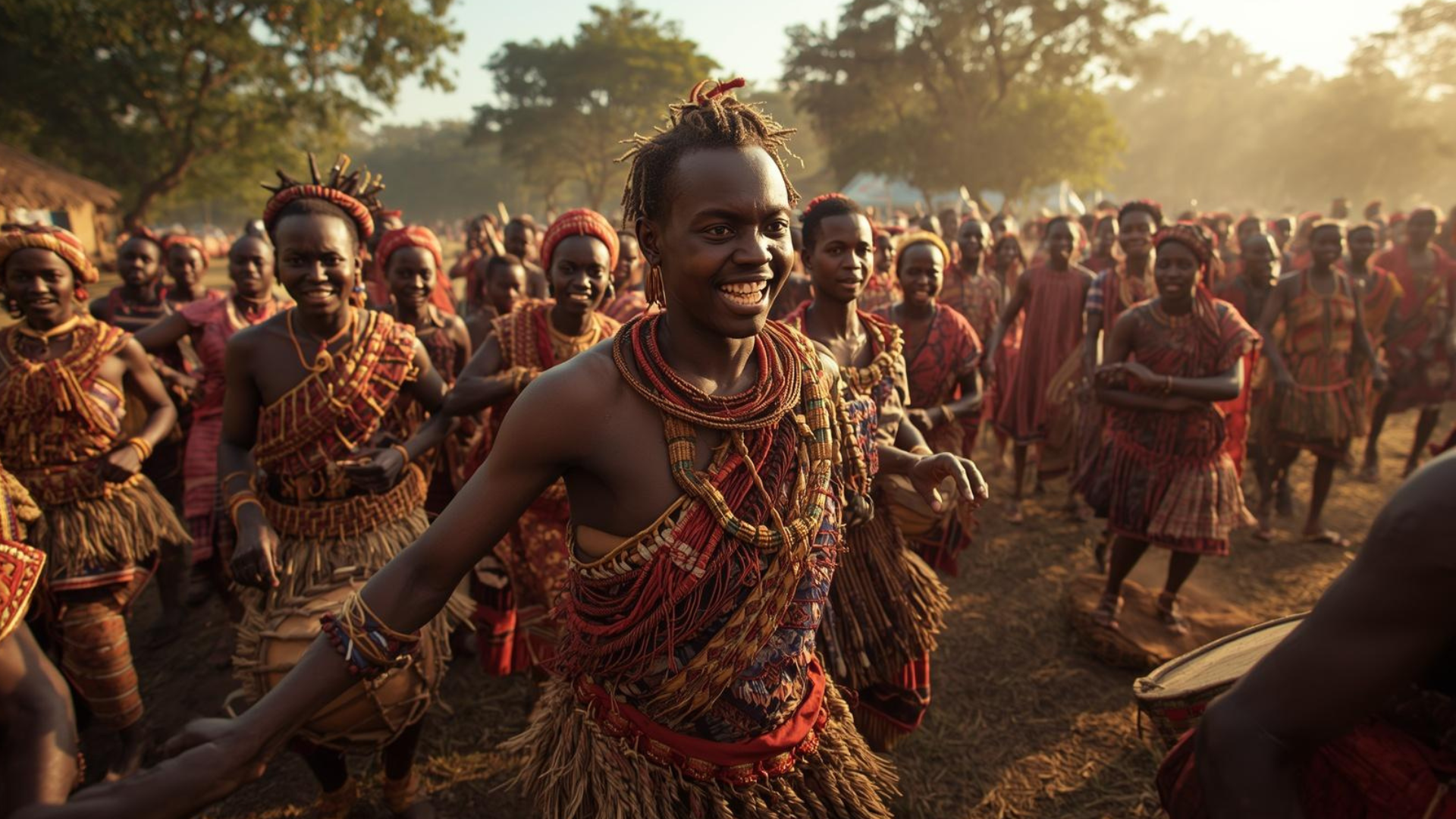
Across the country, every region and tribe have unique ceremonies and festivals that tell deep stories — about love, heritage, family, and even the changing seasons. These events are more than entertainment. They are living history and a big part of what makes Uganda such a warm and soulful place.
If you're planning a trip to Uganda, or if you're just curious about its culture, here are some amazing traditional ceremonies and festivals you should try to see.
1. Imbalu (Circumcision Ceremony of the Bagisu) – Eastern Uganda
Held by the Bagisu people around Mbale and Mount Elgon, the Imbalu ceremony is one of the most well-known traditional rites in Uganda.
Every even-numbered year, usually in August, young boys between the ages of 16 and 20 go through public circumcision as a sign of becoming men. But this is not a silent or private affair — it’s a full-blown community event filled with drumming, singing, dancing, and marching in the streets.
What makes Imbalu special is the community spirit. Thousands gather to support the boys and celebrate this cultural transition. For visitors, it’s a powerful moment to witness a tradition that has stood the test of time.
Best time to go: August (in even-numbered years)
Where: Mbale district
2. The Royal Coronation (Empango) of the Bunyoro Kingdom – Western Uganda
The Empango ceremony is held every year to celebrate the coronation anniversary of the King of Bunyoro, known as the Omukama.
During this event, the king enters the Royal Palace wearing traditional regalia, and various cultural groups perform drums, dances, and songs. The people of Bunyoro dress in traditional wear and come in large numbers to show respect and pride in their heritage.
This ceremony is a reminder of Uganda’s deep kingdom roots. Even today, several cultural kingdoms are respected, and their events are full of pride, meaning, and unity.
Best time to go: June every year
Where: Hoima district
3. The Nyege Nyege Festival – Jinja, Eastern Uganda
Though not ancient, the Nyege Nyege Festival has become one of the most popular events in East Africa, bringing thousands of people to Jinja every year.
It’s a 4-day music and dance festival held near the River Nile. While it focuses on African music, it also celebrates African culture, art, fashion, and community. Many local tribes showcase traditional dances and crafts alongside DJs and musicians from across the continent.
It’s a true celebration of African youth culture — modern, lively, and yet deeply connected to tradition.
Best time to go: September
Where: Nile Discovery Beach, Jinja
4. Tooro Kingdom Coronation Anniversary – Fort Portal, Western Uganda
This ceremony celebrates the day when King Oyo, one of the youngest kings in the world, was crowned as the Omukama of Tooro. The event brings together dignitaries, cultural groups, and citizens for days of cultural performances, prayers, and storytelling.
Fort Portal itself is known as the "Tourism City" of Uganda, and attending the Tooro Kingdom’s celebration is a perfect way to dive into its beauty and tradition.
Best time to go: September
Where: Fort Portal, Tooro Palace
5. Kwita Izina (Naming Ceremony of Gorillas)
While this ceremony originated in Rwanda, Uganda has adopted a version of it in areas like Bwindi Impenetrable Forest. When a new gorilla baby is born, communities and park rangers celebrate the occasion with a public naming ceremony.
This event is important because it connects wildlife conservation with local culture. Naming a gorilla is seen as a way to recognize its identity and value — just like how babies are named in traditional tribes.
Best time to go: Varies depending on gorilla births
Where: Bwindi National Park
6. Traditional Marriage Ceremonies (Kwanjula & Kuhingira) – Across Uganda
If you're lucky, you might get invited to a traditional introduction ceremony, known as Kwanjula (in Buganda) or Kuhingira (in western Uganda). These are not just family affairs — they are full-blown cultural showcases.
From gift presentations and traditional dances to cultural fashion and food, these ceremonies are deeply symbolic. The groom’s family presents gifts to the bride’s family, and the event shows unity between clans and families.
Visitors are always surprised by the beauty, colour, and order of these ceremonies — and how seriously they are taken.
Best time to go: Year-round (based on family schedules)
Where: All regions of Uganda
7. Ekitaguriro Dance Festival – Western Uganda (Ankole)
In the Ankole region, the Ekitaguriro is more than just a dance. It is a sign of pride and strength, especially among cattle keepers. This traditional dance involves men and women moving rhythmically, mimicking the walk of long-horned Ankole cows.
Special festivals and cultural events often feature this dance, especially during New Year, harvest time, or community events. It’s a symbol of Ankole identity and is proudly passed from one generation to another.
Best time to go: Local festivals or public holidays
Where: Mbarara, Bushenyi, Ibanda areas
Why These Ceremonies Matter
Uganda’s traditional ceremonies are not just for show — they keep culture alive. They bring people together, pass on values, and teach the younger generation about who they are.
As a visitor, attending these festivals gives you a deeper connection to Uganda. You go beyond the usual tourist route and see the heart of the people — their beliefs, stories, music, and way of life.
Plus, many of these events also support local economies, as artisans sell crafts, musicians get paid, and communities benefit from tourism.
Uganda is not only a land of adventure — it’s a land of living culture. Whether it’s the intense energy of the Imbalu, the royal grace of the Empango, or the joyful songs of a wedding ceremony, every event has a story to tell.
So next time you plan a visit, don’t just look for wildlife and lakes. Ask around. Find out what cultural events are happening. Go. Watch. Learn. Dance. Eat. Celebrate.
Because in Uganda, tradition is alive, and it’s something truly worth seeing.