

Date: July 28, 2025
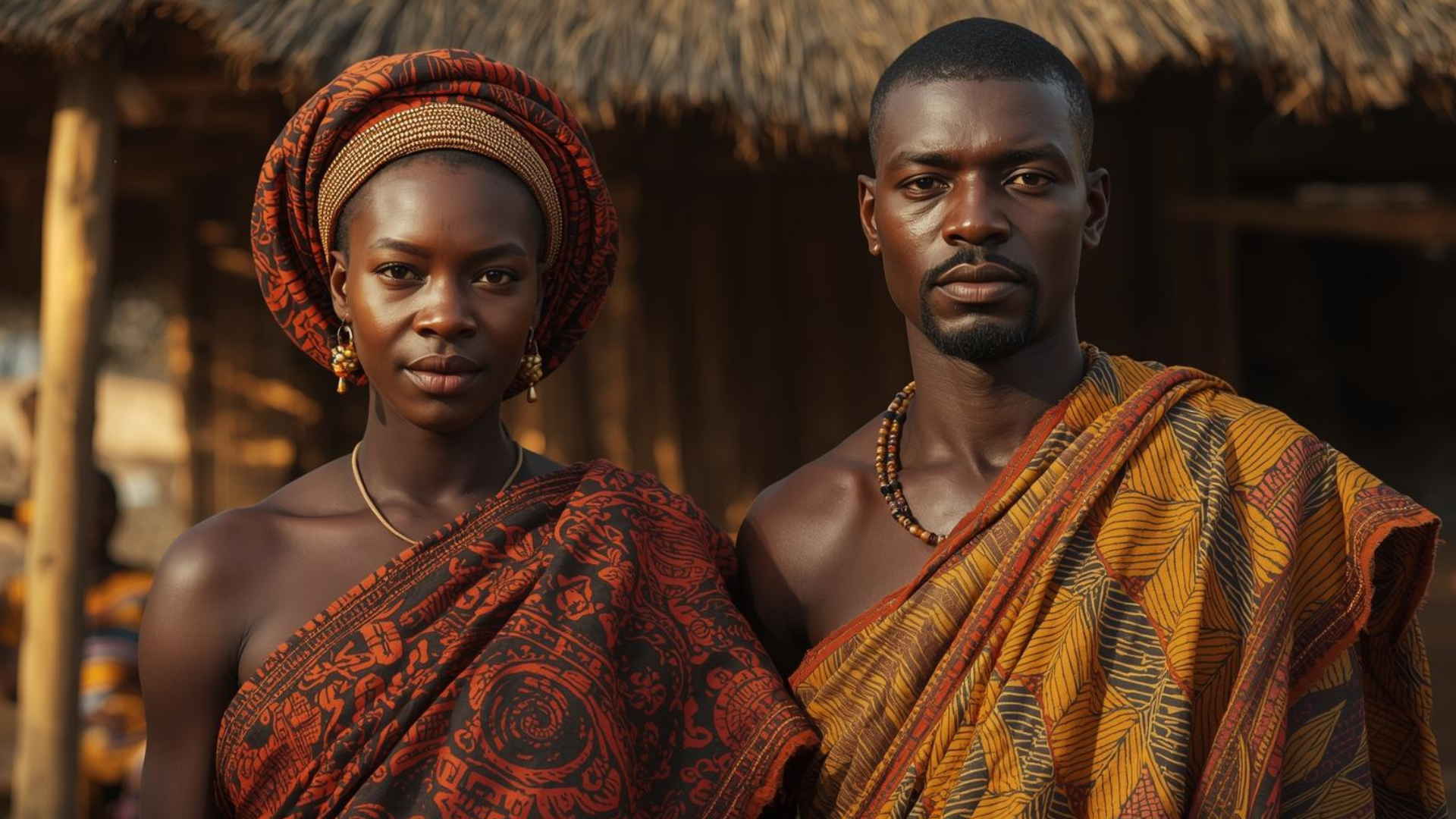
When you think of Uganda, vibrant colours, bold fabrics, and elegant traditional wear may come to mind. Clothing in Uganda is more than just fashion — it’s a powerful expression of identity, heritage, and pride. From weddings to cultural festivals, everyday wear to ceremonial attire, traditional Ugandan dress reflects the country’s diversity and deep-rooted customs.
Let’s explore the beauty, symbolism, and modern relevance of Uganda’s most iconic outfits — the Gomesi and the Kanzu — and understand why these garments are still loved and proudly worn today.
The Gomesi: Grace, Elegance, and HeritageThe Gomesi is a traditional dress worn by women, particularly among the Baganda and Basoga communities. It is long, flowing, and made with bright fabric, often adorned with shiny accents and tied with a wide sash around the waist.
Key Features:The Gomesi isn’t just beautiful — it carries deep meaning. Worn mainly for ceremonies like introduction ceremonies (kukyala and kwanjula) and weddings, the Gomesi symbolizes respect, tradition, and a woman’s place in her community.
It was originally introduced during the colonial era by a Goan designer named Caetano Gomes (hence the name), and it quickly became a symbol of prestige among Ugandan women. Today, the Gomesi has evolved with modern fashion trends, using satin, silk, or cotton fabrics and coming in a variety of prints.
When Is It Worn?For many Ugandan women, wearing the Gomesi connects them with their ancestry. Mothers teach daughters how to tie it properly, and families often select matching fabrics for coordinated looks.
The Kanzu: Simplicity and Pride for Ugandan MenThe Kanzu is the national dress for Ugandan men, especially in central and western regions. It is a white or cream robe that reaches the ankles, usually worn with a coat or jacket on formal occasions.
Key Features:The Kanzu originated from Arab influence and was later adopted by Buganda royalty as formal wear. It symbolizes dignity, humility, and respect.
When Is It Worn?A groom, during a traditional wedding ceremony (kwanjula), often wears a Kanzu with a coat over it and sometimes a hat called a Kofia. This dress code is seen as both respectful and elegant.
Women’s Cultural Styles Beyond the GomesiWhile the Gomesi is the most iconic, Uganda's diversity brings many other beautiful traditional outfits:
What’s beautiful about Uganda is how clothing brings people together. During introduction ceremonies, it’s common to see families wear matching attire as a symbol of unity and celebration.
Traditional wear crosses religious and tribal boundaries, making it a unifying part of Ugandan identity. Even among young people, there is a growing appreciation for cultural wear. Many designers are now blending traditional styles with modern cuts to make outfits more versatile and trendy.
The Rise of Ugandan Fashion DesignersIn recent years, Ugandan fashion has gained attention, both locally and internationally. Designers are using traditional materials like bark cloth and kitenge to create fresh, fashionable looks.
Popular designers include:These creatives are not only preserving traditional clothing but also making it relevant in global fashion circles. Fashion shows like Kampala Fashion Week have helped spotlight Ugandan dress and inspire a younger generation to embrace their heritage.
Traditional Clothing and Modern LifeEven with western clothing becoming more common in cities, traditional wear holds a special place. Many Ugandans wear it during special occasions, and some even incorporate elements into their daily outfits. For example:
This fusion keeps the culture alive in everyday life.
Cultural Significance in Every StitchIn Uganda, what you wear tells a story — of where you come from, what you believe, and what moment you’re celebrating. The Gomesi and Kanzu are more than clothing. They are symbols of dignity, beauty, and respect for tradition.
Even as global fashion trends evolve, these traditional outfits remind Ugandans of their roots and shared identity.
Uganda’s cultural dress is rich in meaning and style. Whether it’s the graceful Gomesi or the regal Kanzu, these clothes reflect history, community, and personal pride. And with young designers reimagining these styles, traditional wear continues to stay alive and inspiring.
So next time you attend a Ugandan celebration or scroll through photos of local fashion shows, take a closer look. Behind every pattern, sash, and sleeve lies a story — one that ties generations together through fabric, colour, and culture.