

Date: July 14, 2025
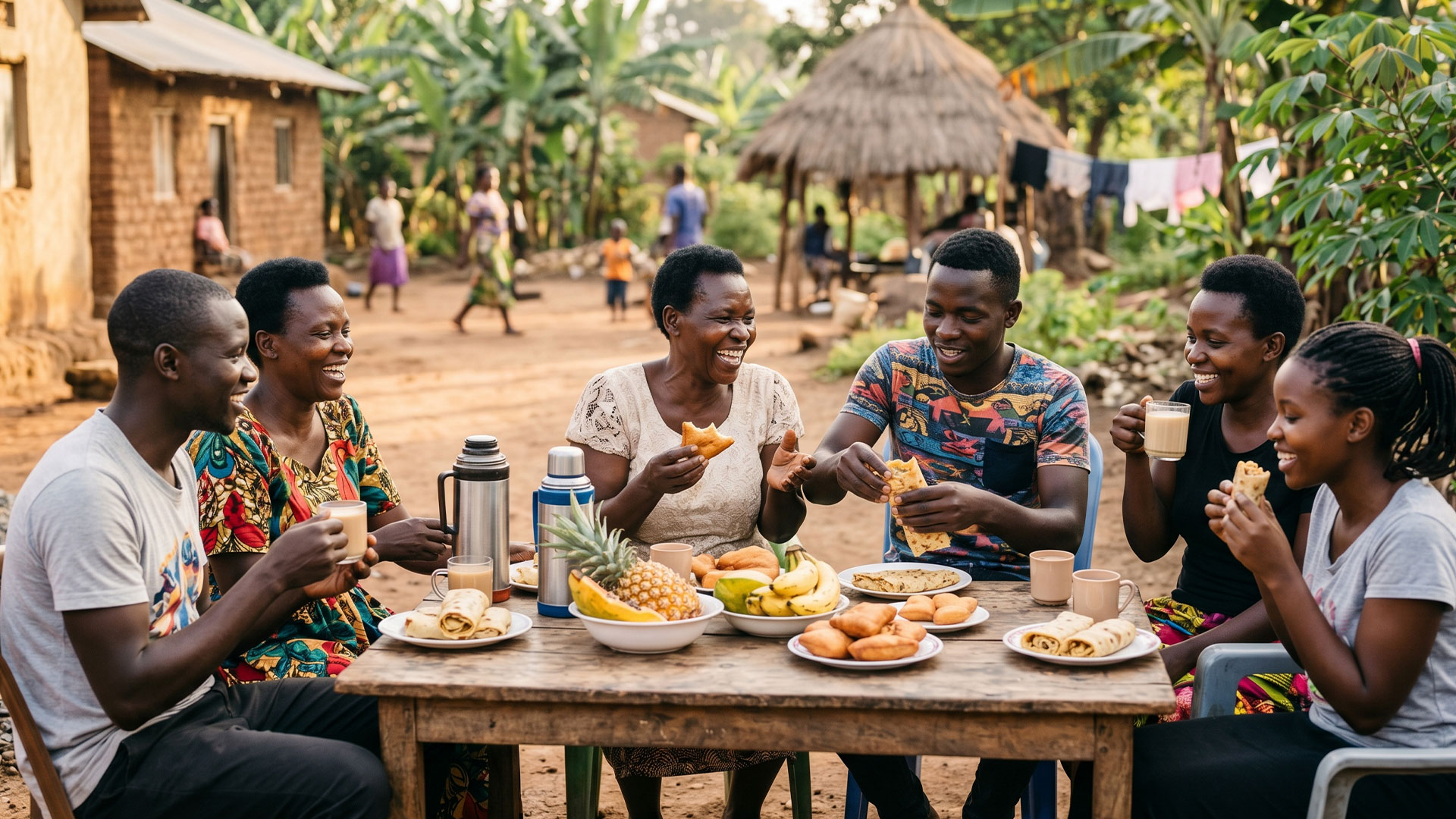
If you want to understand a culture, start with its breakfast. In Uganda, mornings begin with simple but hearty meals that bring comfort, energy, and community. Whether you’re walking through the streets of Kampala or waking up in a countryside village, the smell of frying chapati, boiling tea, and fresh produce fills the air.
Ugandan breakfast isn’t about fancy table settings or a strict schedule. It’s relaxed, filling, and deeply connected to local traditions and resources. From street stalls to home kitchens, breakfast in Uganda reflects the heart and soul of daily life.
A Culture of Simple, Filling MealsUgandans value breakfast as the meal that sets the tone for the day. It’s not necessarily elaborate, but it’s satisfying. For most people, it includes a hot drink and something starchy to keep them full till lunch.
Breakfast can be as quick as a cup of tea with bread or as filling as a heavy plate of matoke (steamed green bananas) and beans. It varies by region, season, and income level, but the one thing that remains constant is how nourishing and communal it is.
The Classics: What You’ll Commonly FindOne of the best ways to experience Ugandan breakfast is on the street. Vendors set up stalls early in the morning, and the atmosphere is always lively. You’ll see boda boda riders, office workers, students, and parents all lining up for a Rolex or a cup of chai.
It’s more than food — it’s social. People chat, laugh, and start their day with human connection. The prices are affordable, making it accessible to most Ugandans.
Regional Twists on BreakfastUganda’s diverse tribes and regions bring their own flavours to the breakfast table. For example:
Many Ugandan breakfast items are naturally healthy and locally sourced. The use of fresh vegetables, legumes, and unprocessed starches makes for a well-rounded meal. Since most ingredients come from local farms or home gardens, breakfast in Uganda is often eco-friendly by default.
Eating what is in season also ensures variety and freshness. For example, avocado might be added to meals when in season, offering healthy fats and a rich flavour.
Urban vs Rural BreakfastIn urban areas like Kampala or Entebbe, you might see a more modern breakfast culture with cafes offering espresso, omelettes, and even pancakes. International options are available, especially in hotels or upscale eateries.
But in rural communities, the breakfast experience remains traditional. Food is cooked on open fires, and families gather to eat together before heading off to farms or schools.
Breakfast and CommunityIn Uganda, food is always tied to community. Even if you buy your breakfast on the go, the act of sharing a meal, greeting your local vendor, or eating with family adds warmth to the morning routine.
Children often eat together before walking to school. In offices, tea breaks are still a thing, where colleagues catch up over mandazi and chai. And on weekends, breakfast becomes a leisurely family affair.
Trying It YourselfIf you’re visiting Uganda or want to try Ugandan breakfast at home, start simple:
You don’t need fancy equipment or rare ingredients — just a sense of curiosity and a love for hearty food.
Ugandan breakfast is more than just a meal. It’s a reflection of the country’s rhythm, values, and sense of community. It shows how simplicity can be deeply satisfying and how tradition continues to thrive in everyday moments.
So the next time you’re in Uganda, skip the hotel buffet and head to a local vendor. Grab a Rolex, sip some sweet tea, and enjoy the flavours of a culture that welcomes you with every bite.