

Date: June 16, 2025
When you travel to a new country, one of the best ways to understand its culture is through food. And if you’re lucky enough to visit Uganda, your taste buds are in for a treat. Ugandan food is full of flavour, warmth, and simplicity. It reflects the heart of the people—welcoming, generous, and deeply connected to the land.
Whether you're eating at a local roadside stall or sharing a home-cooked meal with a family, Ugandan food has a way of making you feel right at home.
Let’s take a tasty tour through the kitchens, markets, and plates of Uganda.
1. Matoke – The Pride of Uganda
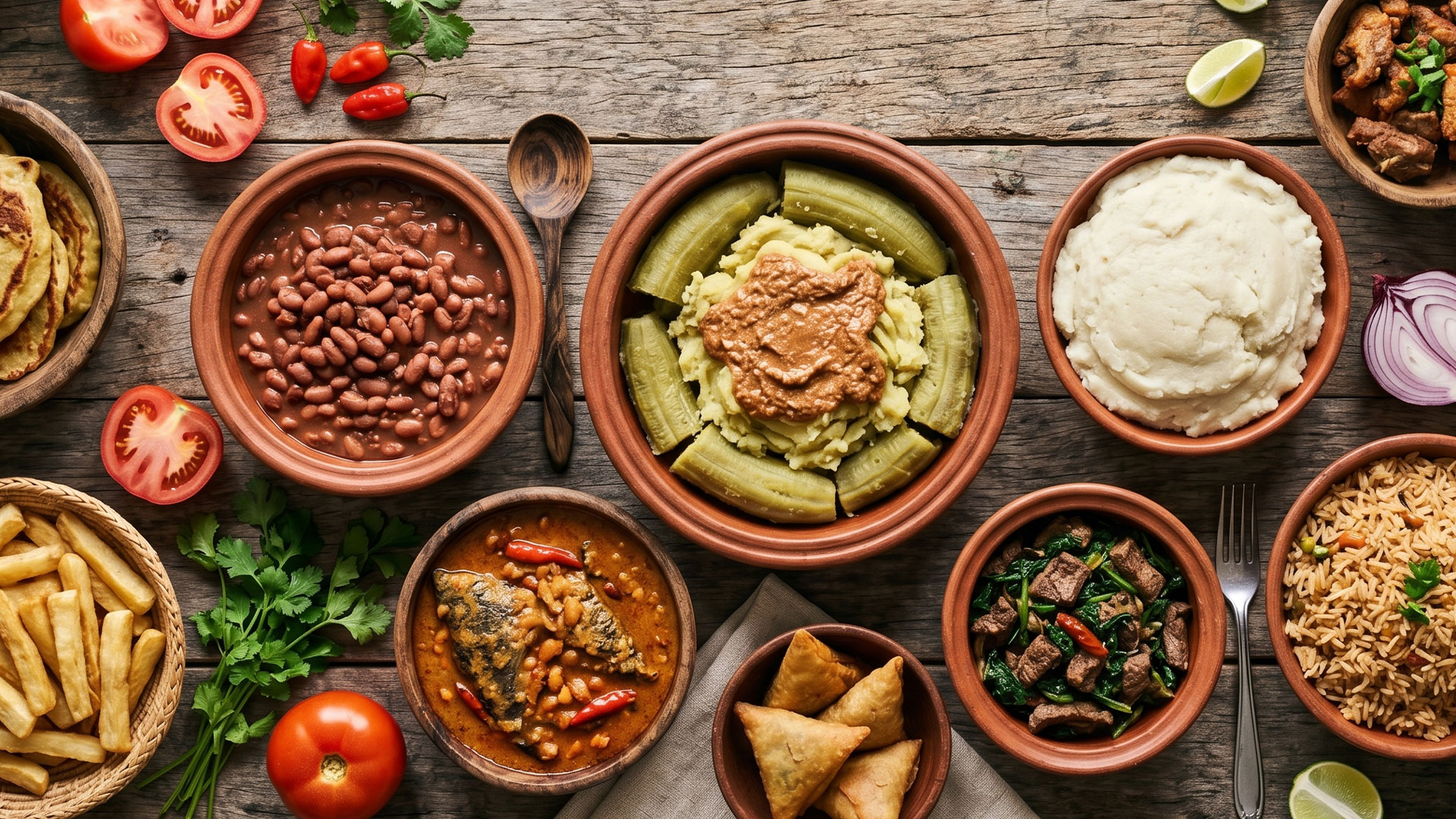
If you ask any Ugandan about their traditional food, the first thing they’ll tell you is Matoke (also called Matooke). It’s a national favourite and a must-try dish for every visitor.
Matoke is made from green bananas, not the sweet kind you eat as fruit, but cooking bananas. They’re peeled, boiled, and then mashed until soft. The dish is usually steamed in banana leaves, which gives it a special earthy smell.
Matoke is often served with groundnut (peanut) sauce, beef stew, beans, or chicken. It’s filling, simple, and full of love—just like Ugandan hospitality.
2. Ugali (Posho) – The Common Man’s Meal
Ugali, also known locally as Posho, is a thick maize flour porridge and is one of the most eaten dishes across Uganda. It’s cheap, easy to make, and goes with almost everything.
Ugali doesn’t have a strong taste on its own, but that’s what makes it perfect for soaking up rich sauces—whether it’s fish curry, beans, or vegetables. You eat it with your hands by rolling it into a ball and dipping it into whatever dish you’re having.
In many homes and schools, posho is a daily meal. It’s a true Ugandan staple.
3. Rolex – Not a Watch, But a Delicious Street Snack
One of the most fun foods to try in Uganda is the Rolex. No, not the expensive watch—but a tasty street snack made with chapati (flatbread) and eggs rolled together.
The name "Rolex" comes from "rolled eggs." It’s usually made fresh in front of you by street vendors. Some vendors add tomatoes, onions, cabbage, or even sausages for extra flavour.
It’s cheap, filling, and perfect for breakfast or a quick lunch. You’ll find Rolex stands on almost every corner in Ugandan towns.
4. Luwombo – A Taste of Traditional Royalty
Luwombo is a traditional dish that originated from the Buganda Kingdom and was once served only to royals. Today, it’s enjoyed across the country during special occasions and family gatherings.
The dish is prepared by slow-cooking meat (like chicken, beef, or goat) or groundnuts in banana leaves, along with spices, vegetables, and sometimes mushrooms. The banana leaves give the food a rich, smoky flavour.
Luwombo is not just food—it’s an experience. It takes time and care to prepare, which is why it’s often reserved for guests or celebrations.
5. Groundnut Sauce – Uganda’s Favourite Sauce
In Uganda, groundnuts (peanuts) are more than just a snack. They’re turned into a creamy, rich sauce that’s eaten with many dishes like matoke, rice, sweet potatoes, and cassava.
Groundnut sauce is made by grinding roasted peanuts and mixing them with onions, tomatoes, and sometimes garlic. It’s hearty, comforting, and loved by people of all ages.
In fact, many children grow up eating groundnut sauce almost daily—it’s that common and loved.
6. Malewa – A Taste from Eastern Uganda
Malewa is a traditional dish from eastern Uganda, especially among the Bagisu people. It’s made using smoked bamboo shoots cooked with groundnut sauce and sometimes mixed with beef or goat.
The smoky bamboo flavour is unique and might be new to some visitors, but once you get used to it, it’s incredibly satisfying.
Malewa is often served during weddings, cultural events, and ceremonies.
7. Fresh Fruits – Nature’s Sweet Gifts
Uganda’s climate is perfect for growing fruits. So, it’s no surprise that the markets are full of fresh, juicy, and affordable fruits all year round.
You can enjoy pineapples, mangoes, papayas, bananas, watermelons, avocados, and even jackfruit at almost every meal. Many of these fruits are grown without chemicals, and you can taste the difference.
In Uganda, fruit is more than dessert—it’s part of everyday life.
8. Street Food – Fast, Tasty, and Affordable
Ugandan street food is popular not just for its taste but also for its affordability. Whether you’re in Kampala or a small village, you’ll find roadside stalls selling:
These snacks are often eaten on the go, shared with friends, or enjoyed during evening walks.
9. Beverages – What Locals Like to Drink
Ugandans love tea—African tea made with milk, sugar, and sometimes ginger is a daily drink in many homes.
Coffee, especially from Mount Elgon and western Uganda, is also growing in popularity, especially in towns and cafes.
For something local and traditional, try Bushera (a fermented millet drink) or Malwa, a local brew often shared in communal pots during social gatherings.
10. Food as a Way of Life
One thing you quickly realise in Uganda is that food is more than just food—it’s about sharing, caring, and community.
Meals are often eaten together, and guests are always offered food, no matter how little is available.
In many villages, people grow their own crops, raise animals, and cook fresh food every day.
Ugandan food may not be fancy, but it’s real. It comes from the soil, from the heart, and from generations of tradition.
Why You’ll Love Ugandan Food
Eat Like a Local, Love Like a Local
Whether you’re travelling across Uganda or just exploring a town, make time to enjoy the local food. Go to the market. Try something new. Talk to the street vendors. Share a plate with locals.
Food brings people together, and in Uganda, it does it with warmth and honesty.
So, the next time someone says Uganda is all about wildlife, remind them it’s also about flavour, culture, and food made with heart.