

Date: Nov. 17, 2025
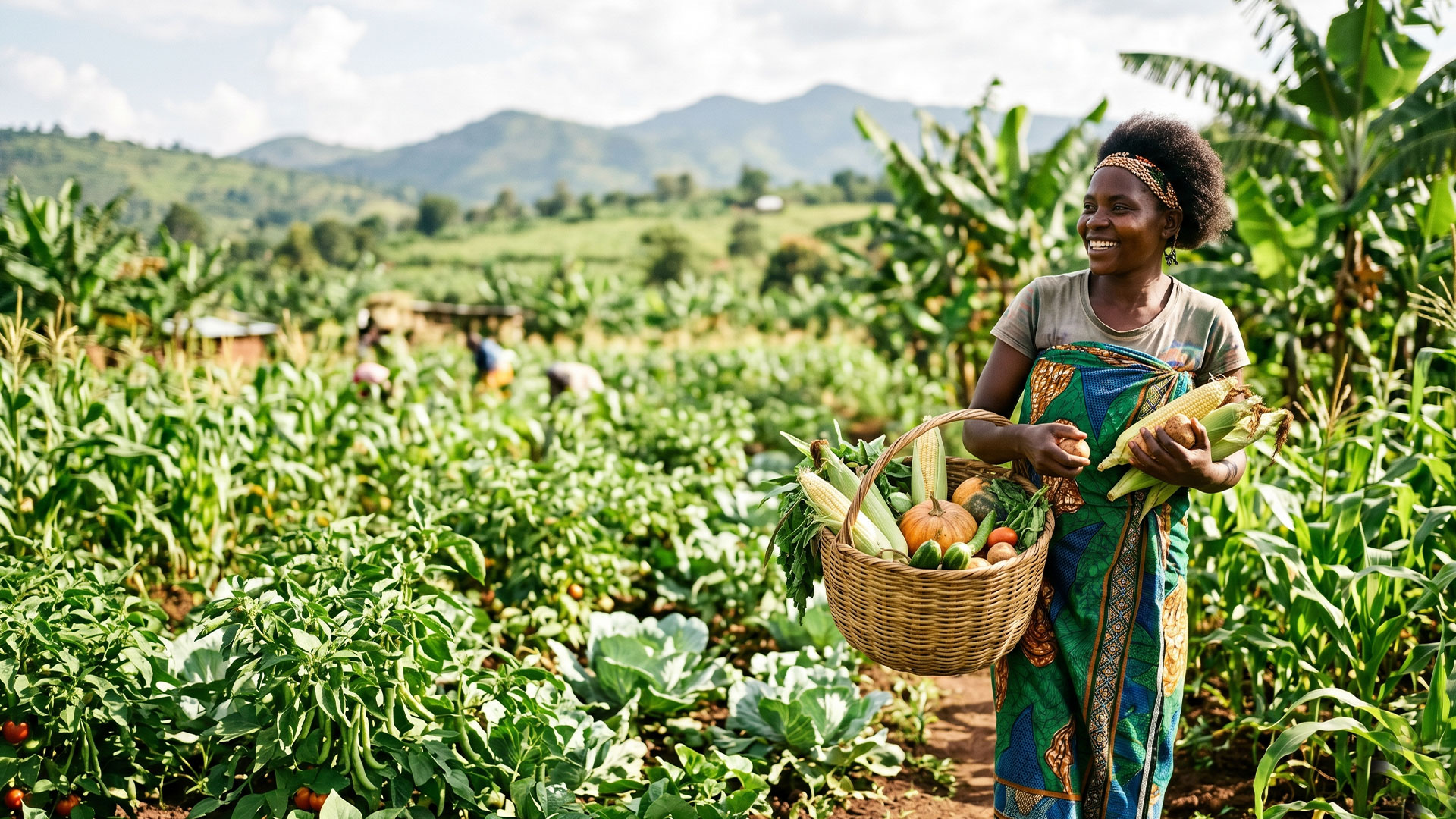
Uganda – often called the Pearl of Africa – is rich in landscapes, cultures, wildlife, and agricultural heritage. While much of the world focuses on maize and rice, Uganda preserves deep traditions of indigenous heirloom crops, including matooke (cooking bananas), yams, millet and other locally adapted staples. These crops provide food, identity, resilience and biodiversity.
1. Why heirloom crops matter
Before exploring individual crops, here’s why indigenous or heirloom varieties are important:
However, many of these crops face pressure from monocultures, modern seeds and shrinking local seed systems.
2. The star of Uganda’s plate: Matooke (East African Highland bananas)
What it is
Matooke belongs to the East African Highland banana group (Musa AAA-EA). Harvested green, it is steamed, mashed or pounded into one of Uganda’s most iconic dishes.
Regional and varietal diversity
Uganda has great banana diversity—over 80 cultivars in some studies. Farmers distinguish varieties by taste, disease resistance, bunch size and cooking qualities.
Traditional role
In Buganda (Central Uganda), matooke is central to ceremonies and cultural events. Western and Eastern regions have their own banana-based dishes and traditions.
Threats and conservation
Many older varieties such as ndigobe, siira and nakabululu are threatened or disappearing due to commercialisation and modern varieties replacing landraces.
Why it matters
Matooke remains a major staple for millions and is a key focus of agro-biodiversity conservation.
3. Yams, finger millet and other traditional staples
Yams (Dioscorea spp.)
Historically central to many Bantu-speaking groups, yams remain important where maize and bananas struggle.
Finger millet & other small millets
Finger millet is drought-tolerant, stores well and remains a key cereal especially in northern and eastern Uganda. However, its production has dropped sharply as maize expands.
4. Regional traditions and culinary uses
Central & Western Uganda
Matooke is steamed in banana leaves and served with groundnut sauce, beans or meat. Cooking traditions carry ritual meaning.
Northern Uganda
Finger millet, sorghum and yams dominate traditional diets. Millet stores well and is used for porridge and local brews.
Eastern Uganda
Mixed systems include yams, tubers, legumes and millet. Sweet potatoes and indigenous vegetables are common.
Cultural ceremonies often feature heirloom-crop dishes, and losing these crops means losing traditions and memories.
5. Challenges to preserving heirloom crops
6. Actions & success stories: preserving the diversity
7. How travellers, food lovers and conscious eaters can engage
8. Looking ahead: opportunities and hope
The story of Uganda’s indigenous heirloom crops—from matooke to yams, millet and sorghum—is one of culture, resilience, biodiversity and identity. Protecting these crops means protecting Uganda’s food future. For travellers and food lovers, exploring these crops offers a deep, meaningful taste of the “Pearl of Africa”.