

Date: Aug. 25, 2025
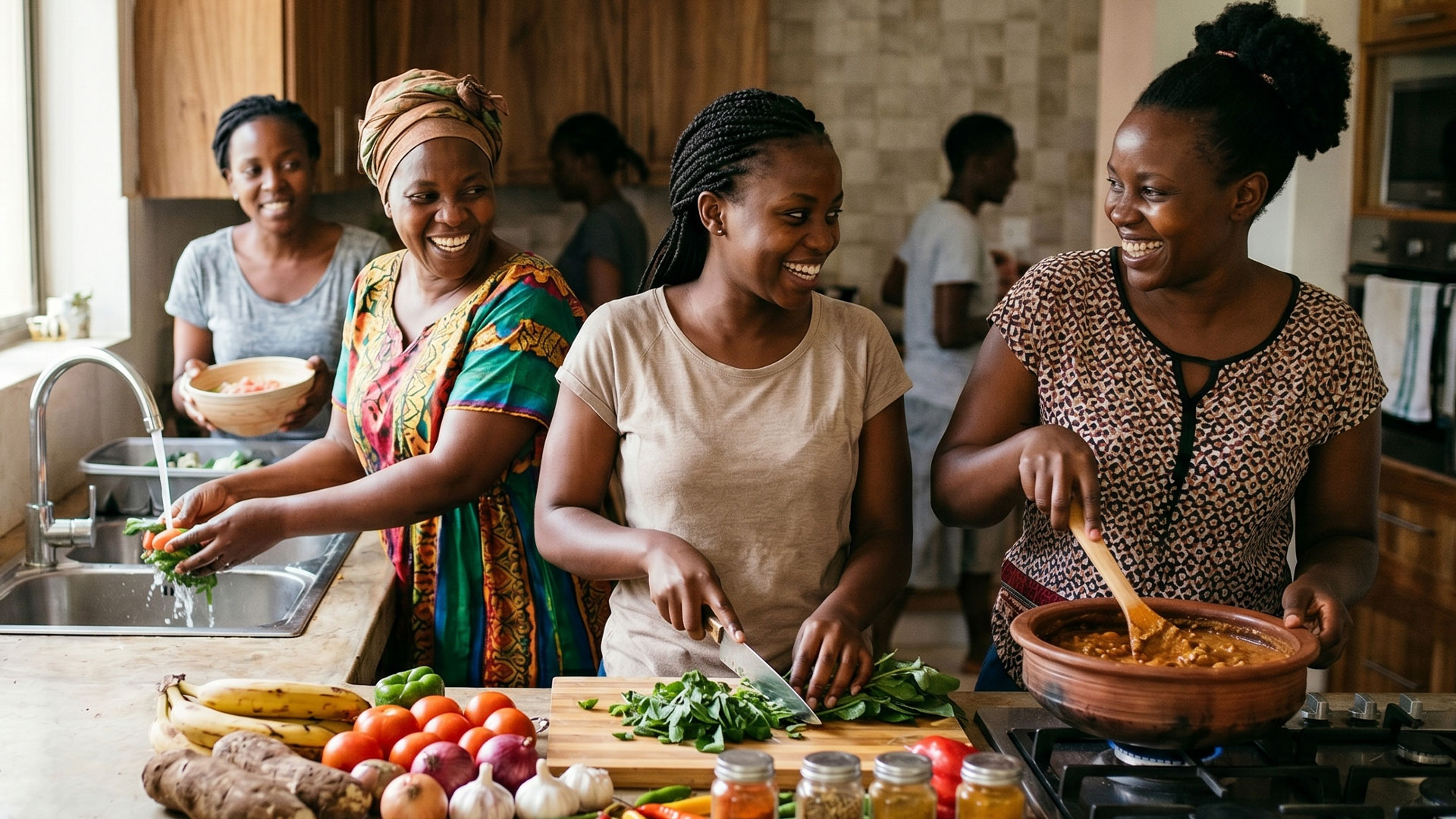
When someone asks what Uganda tastes like, the answer is not just in spices or recipes — it’s in the story of families, culture, and community. Ugandan cuisine is all about homegrown ingredients, slow cooking, and sharing food with love. From starchy staples to flavourful stews, the meals are hearty, simple, and packed with tradition.
In this blog, we’ll take you through Uganda’s most loved traditional meals, the story behind them, how they’re enjoyed today, and why every visitor should take a bite out of this rich food culture.
Matoke (or Matooke) is Uganda’s signature dish—green bananas that are peeled, steamed, and mashed into a smooth, comforting dish. Usually served with groundnut (peanut) sauce or meat stew, Matoke is present at celebrations, funerals, and daily meals. More than food, it’s a symbol of family and togetherness.
Luwombo (or Oluwombo) is a delicacy that dates back to the Buganda Kingdom. It’s a stew of chicken, beef, or groundnuts steamed inside banana leaves for a rich, earthy flavour. Reserved for weddings, festivals, and honoured guests, Luwombo is a dish of tradition and prestige.
Posho (or Ugali) is a white cornmeal porridge and a staple across Uganda. Eaten with beans, vegetables, or stews, its simplicity makes it beloved. It’s especially common in schools and homes for its filling and energising qualities.
Rolex (rolled eggs) is Uganda’s go-to street food: a chapati filled with eggs, tomatoes, onions, and sometimes meat or veggies. Found at roadside stalls, it’s tasty, cheap, and endlessly customizable. Every Rolex is unique, making it a traveller’s delight.
This rich sauce made from roasted groundnuts is often paired with Matoke, rice, or sweet potatoes. Loved for its nutty flavour and creamy texture, groundnut sauce is a staple of festive meals, especially in central and western Uganda.
Among the Bagisu people, Malewa (smoked bamboo shoots) is a cherished dish cooked with groundnut sauce. Traditionally served at ceremonies, it shows Uganda’s creative use of locally available ingredients.
Nsenene (edible grasshoppers) are seasonal favourites, fried or sautéed with onions and spices. Crunchy, salty, and addictive, they’re enjoyed with Matoke, Posho, or beer during the rainy season.
Eshabwe is a unique Banyankole dish made from ghee, salt, and sometimes groundnuts—without cooking. Creamy and strong in flavour, it’s served with steamed bananas, millet bread, or roasted meats, especially at weddings and cultural events.
Millet bread (Kalo) is a nutrient-rich staple in western and northern Uganda. Made by mixing millet flour with hot water, it pairs beautifully with beef stew or groundnut sauce, offering both health and tradition in every bite.
Sim Sim snacks (sesame balls or bars) are sweet, crunchy treats made with sugar or honey. Beloved by children and adults alike, they show Uganda’s love for simple but wholesome sweets.
Ugandan cuisine is more than taste—it’s about patience, tradition, and community. Most meals use locally grown ingredients, cooked slowly over wood fires, and shared generously. Food in Uganda reflects values of respect, sharing, and joy.
If you’re planning a trip to Uganda, here’s how to explore its food culture:
From Matoke to Malewa, every Ugandan dish tells a story of its land and people. Uganda’s cuisine is humble yet rich, simple yet full of soul. When you visit, don’t just look at the wildlife—taste the heart of the nation in every bite.