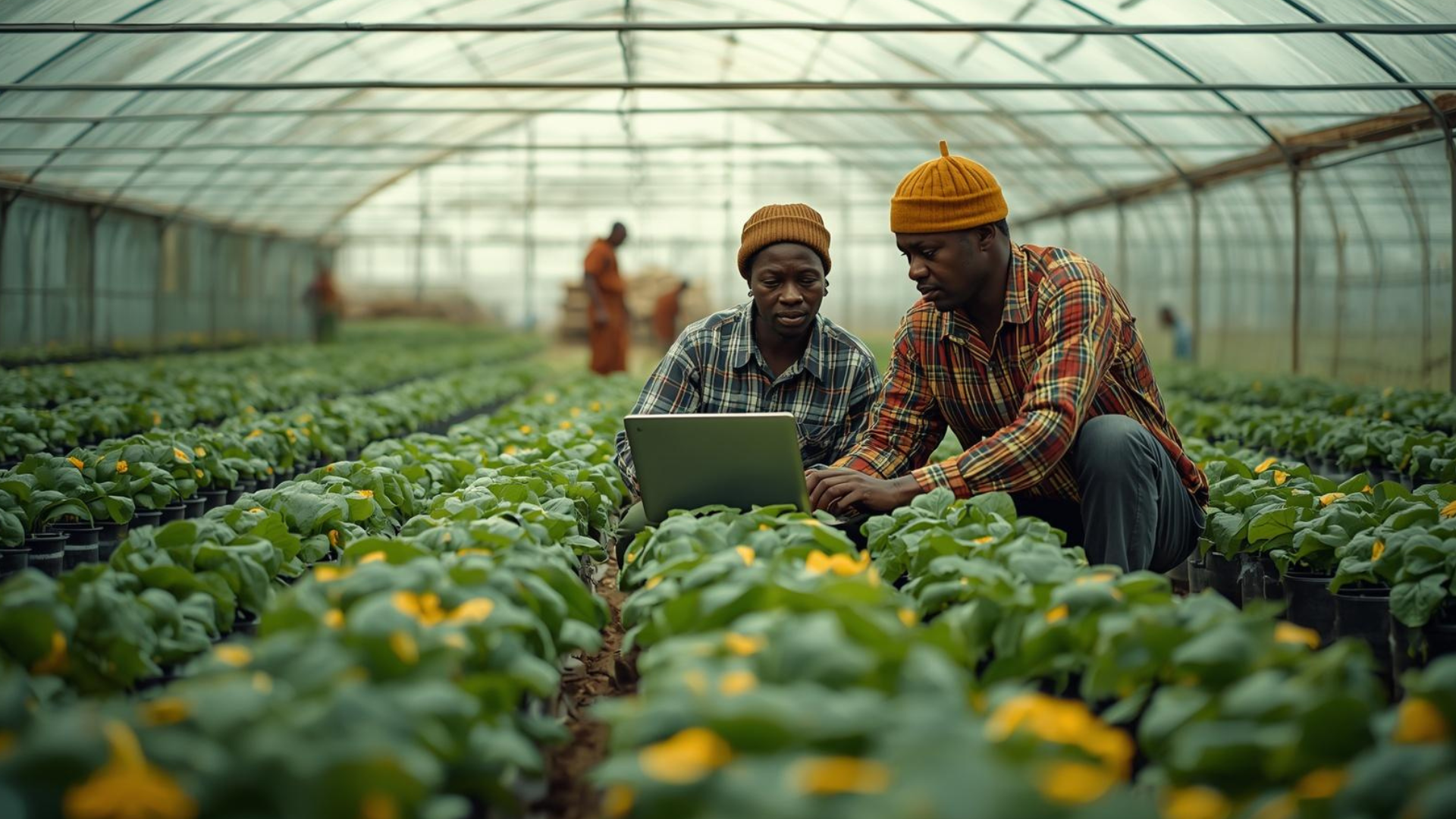
Agriculture + Technology: The Rise of Agri-Tech Start-Ups Tapping Food Trends, Sustainable Farming and Local Value-Chains in Uganda

Kruti Verma
Date: Nov. 3, 2025
In Uganda, where agriculture has long been the backbone of the economy and a way of life for millions, a new narrative is emerging. One in which technology meets farming, start-ups meet fields, and food trends meet local value-chains. For readers of The Uganda Blog, this means exploring how Uganda is moving beyond simply “grow more food” to “grow smarter food”—and how investment, innovation and scale are key to unlocking the potential of this transformation.
In this post we will cover:
- The agricultural context in Uganda – why the sector is pivotal.
- What technology and start-ups are bringing to the table.
- Examples of Ugandan agri-tech innovators and value-chain businesses.
- How food trends (premium produce, sustainability, value-added products) are influencing the scene.
- The investment climate, opportunities and challenges.
- What this means for Uganda’s future and how you (as investor, entrepreneur or observer) can engage.
1. Why agriculture + technology matters in Uganda
Agriculture remains central to Uganda’s economy and livelihoods. A large proportion of Ugandans are small‐holder farmers, and the sector employs a major share of the workforce. Yet challenges persist: low productivity, post-harvest losses, limited market access, fragmented value-chains, climate vulnerability and limited financing.
Using technology and innovation to address these bottlenecks is critical:
- Digital platforms can link farmers to inputs, finance, markets and information.
- Precision tools (sensors, drones, IoT) can improve yields, reduce waste and promote sustainable practices.
- Value-addition and processing can keep more of the food value-chain in Uganda.
- Premium niche crops (avocado, chillies, specialty fruits) create higher value opportunities.
- Technologies enable traceability, sustainability and branding in global food markets.
In short, agriculture + tech = an opportunity to transform Uganda’s farming sector from subsistence to business-oriented, from low value to higher value, and from local only to global potential.
2. What technology and start-ups are contributing
Agri-tech in Uganda covers a range of innovation areas:
- Digital platforms and mobile solutions connecting farmers with inputs, markets and finance.
- FinTech tools for farmer savings, pay-as-you-go input purchases and digital credit.
- Hardware and IoT: sensors, drones, weather stations, smart irrigation and pest monitoring.
- Value‐chain optimisation and logistics: aggregation, tracking and reducing post-harvest loss.
- Sustainable farming and high-value crops such as horticulture and organics.
- Processing and value-addition start-ups turning raw produce into export products.
Examples of innovation include:
- IoT-based “smart agriculture frameworks” for maize farming using soil and weather sensors.
- Agro Value Chain Management Limited (Agro-VCM) offering mobile value-chain management.
- Digital agriculture finance pilots such as Agri-Connect by Uganda Development Bank.
These are not just “nice to have” tools—they solve real problems faced by farmers and agribusinesses.
3. Examples of agri-tech start-ups & agribusiness models in Uganda
- Agro Supply Limited: A mobile layaway model allowing smallholders to save via mobile money for seeds and fertiliser. Over 15,000 farmers reached; yield increases of 50–100%.
- Hello Tractor partnership: PAYG tractor services through Heifer International and Hello Tractor, enabling mechanisation access. Over 172 tractors and 183,000 acres serviced.
- Agrikkom: Focuses on high-value export crops like avocados and chillies using tech-enabled farming and value-addition.
- Agro-VCM platform: Connects farmers, aggregators and buyers through mobile applications for improved trade and transparency.
- AYuTe Africa Challenge: Youth agri-tech innovators receiving seed funding for solutions like “Grain Guard,” a smart storage monitoring device.
4. Food trends + sustainable farming + local value‐chains
- Premium crops: Uganda is tapping into global demand for avocados, chillies and specialty fruits. Value-addition and branding increase margins.
- Sustainable farming and climate resilience: IoT and smart tools help farmers adapt to variable weather and climate change.
- Reducing post-harvest loss: Tools like Grain Guard and Agro-VCM platforms link farmers to markets and improve storage.
- Traceability and food safety: Digital platforms ensure compliance and quality assurance for exports.
- Youth and women empowerment: Agri-tech initiatives target inclusion, entrepreneurship and innovation among youth and women.
5. Investment climate, opportunities & challenges
Opportunities:
- Large agricultural market with potential for scale.
- Government support for digitalisation and innovation.
- Untapped value-chain improvements in mechanisation, logistics and value-addition.
- Global demand for sustainable and traceable crops.
- Growing innovation ecosystem and start-up funding contests.
Challenges:
- Limited rural connectivity and infrastructure.
- Access to finance and investment risk.
- Market logistics and export hurdles.
- Need for farmer capacity building and tech adoption.
- Regulatory and policy complexity.
- Scaling successful pilots into national-level businesses.
What investors should look for:
- Strong link between technology, value chain and farmer inclusion.
- Scalable and regionally adaptable business models.
- Focus on post-harvest, logistics or mechanisation solutions.
- Use of context-appropriate technology (mobile/SMS/offline).
- Partnerships with government and farmer organisations.
- Clear ROI metrics and impact tracking.
6. What this means for Uganda’s future
- Shift from subsistence to agribusiness models.
- Job creation for youth and tech-skilled professionals.
- Sustainable and climate-resilient food systems.
- Integration into global export markets with higher margins.
- Rural revitalisation through digital connectivity.
- Environmental benefits via precision and resource-efficient farming.
To realise these opportunities, innovation, policy, investment and farmer engagement must align.
7. Call to action: how you can engage
- Explore agri-tech start-ups and attend innovation events like AYuTe NextGen.
- Invest in value-chain improvements such as mechanisation, storage and logistics.
- Design tech that works in low-connectivity environments (mobile/SMS/offline).
- Partner with farmers for adoption, training and impact.
- Focus on premium crops and sustainable niches for higher returns.
- Promote inclusivity—support women and youth-led agribusinesses.
- Leverage partnerships with government and development programs.
- Track results: productivity, income gains, and sustainability metrics.
Uganda stands at an exciting juncture: its agricultural sector meets the digital era, its smallholder farms meet start-up innovation, and its value-chains meet global demand. Whether it’s mobile layaway systems, PAYG tractors, IoT sensors or digital trading platforms, the fusion of agriculture and technology is rewriting Uganda’s growth story.
For Uganda, this is more than “tech in farming”—it’s about transforming livelihoods, capturing local value, empowering youth and women, and building a resilient, modern agriculture sector. The time to engage is now. The opportunities are real, the market is large, and the transformation is underway.