

Date: Jan. 26, 2026
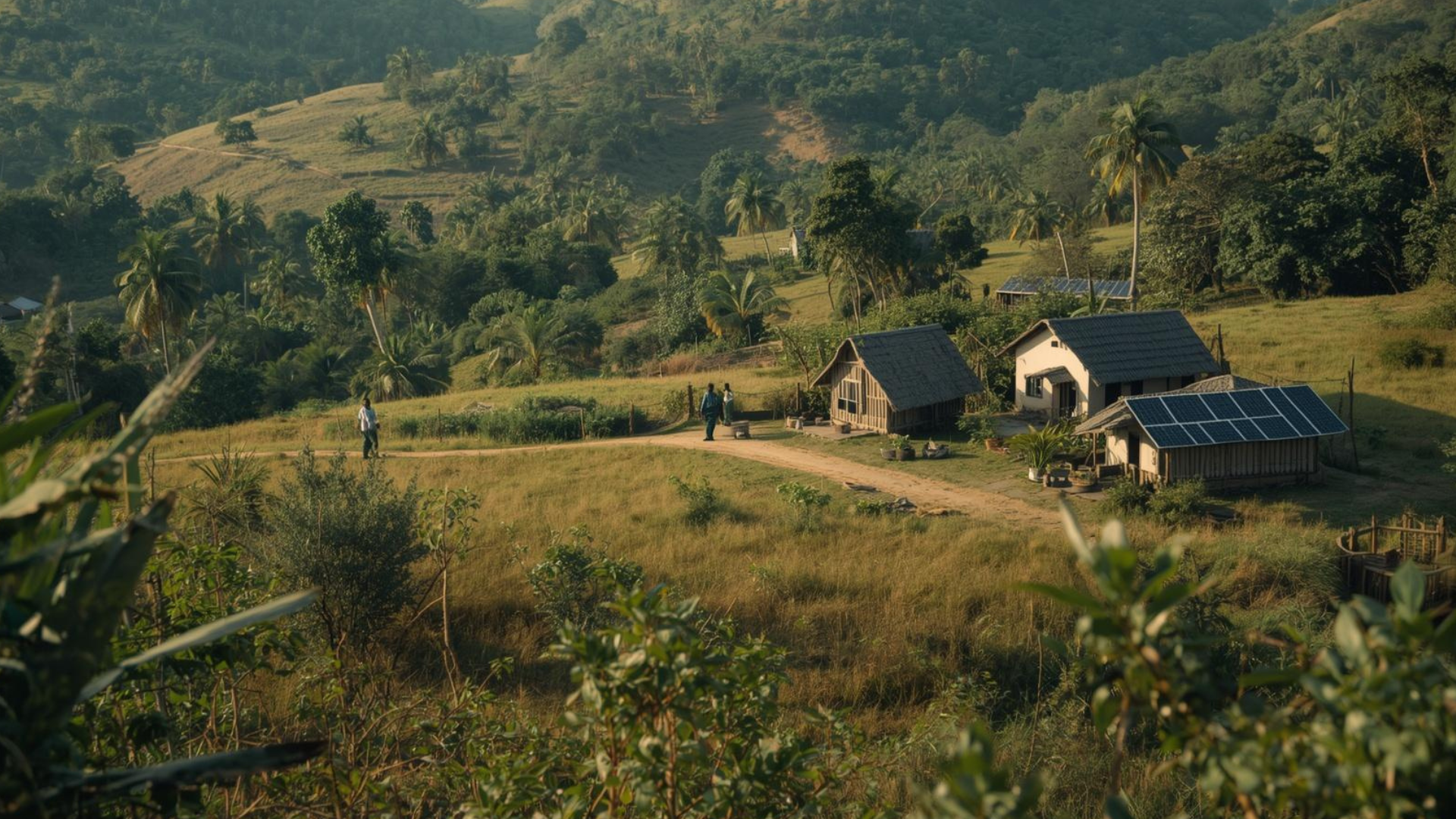
Energy is a big challenge in many parts of rural Uganda. While towns and cities are slowly getting better access to electricity, many villages still rely on firewood, charcoal, and kerosene. These sources are costly, harmful to health, and damaging to the environment. At the same time, Uganda has strong natural resources like sunshine, rivers, and wind. These resources create a big opportunity for renewable energy and green investment. Across rural Uganda, small hydro projects, solar power systems, and clean energy solutions are changing lives and supporting tourism lodges. This blog explores renewable energy opportunities in rural Uganda, how they are being used, and why green investment matters for the future. Why Renewable Energy Is Important for Rural Uganda Many rural areas in Uganda are not connected to the national power grid. Even where power exists, it can be unreliable and expensive. Renewable energy helps solve these problems by: • Providing clean and reliable power • Reducing deforestation • Improving health and safety • Supporting local businesses • Creating jobs For rural communities and tourism lodges, renewable energy is not a luxury. It is a necessity. Solar Power: The Most Common Solution Solar energy is the most popular renewable energy source in rural Uganda. Why Solar Works Well in Uganda Uganda receives sunshine almost all year round. This makes solar power reliable and effective. Solar systems can be small or large. A simple system can power lights and phone charging. Bigger systems can run fridges, water pumps, and internet services. Solar Power in Villages In many villages, solar power is used for: • Home lighting • Phone charging businesses • Schools and health centers • Small shops Solar lighting allows children to study at night and reduces the use of candles and kerosene. Solar Power in Tourism Lodges Many eco-lodges and guesthouses in rural areas use solar power. Solar energy helps them: • Reduce costs • Operate in remote locations • Protect the environment • Attract eco-conscious travelers Solar-powered lodges are becoming more popular among visitors who care about sustainability. Small Hydropower: Using Rivers to Generate Electricity Uganda has many rivers and streams, especially in hilly and mountainous regions. This creates strong potential for small hydropower. What Is Small Hydro? Small hydro projects generate electricity from flowing water without building large dams. They have less environmental impact and are suitable for rural areas. Areas With Strong Potential Regions like: • Western Uganda • Mount Elgon area • Rwenzori region have rivers that can support small hydro systems. Benefits for Communities Small hydro projects can: • Power villages • Support local businesses • Create technical jobs • Improve living standards When managed well, they provide long-term benefits. Renewable Energy Supporting Tourism Growth Tourism and renewable energy work well together in Uganda. Eco-Lodges and Green Power Many lodges near national parks and remote attractions use renewable energy because grid power is unavailable. Green energy helps lodges: • Reduce fuel costs • Operate quietly • Protect wildlife • Market themselves as eco-friendly Tourists increasingly prefer places that care for nature. Community Benefits When lodges invest in renewable energy, nearby communities often benefit. Some lodges share power, support solar projects, or provide training. This builds trust and positive relationships. Green Investment Opportunities in Rural Uganda Renewable energy offers strong investment opportunities. Small-Scale Solar Businesses Local entrepreneurs sell and install solar systems. These businesses are growing as demand increases. Investors can support: • Solar home systems • Solar mini-grids • Solar-powered water pumps Energy for Agriculture Renewable energy can power: • Irrigation systems • Grain mills • Cold storage This helps farmers increase productivity and income. Energy for Schools and Health Centers Solar power improves education and healthcare by providing lighting, refrigeration, and equipment power. Investments in these areas create social impact. Challenges Facing Renewable Energy Projects Despite the opportunities, challenges exist. High Initial Costs Renewable systems require upfront investment. Many rural families cannot afford them without support. Technical Skills Maintenance requires trained technicians. In some areas, skills are limited. Awareness and Trust Some communities are unfamiliar with renewable energy. Building trust and understanding takes time. How Communities and Investors Are Solving These Challenges Pay-As-You-Go Systems Some solar companies allow customers to pay in small amounts using mobile money. This makes solar affordable. Local Training Programs Training local technicians ensures systems are maintained properly and creates jobs. Community Involvement Projects that involve communities from the beginning are more successful. People protect what they understand and own. Role of Government and Policy The Ugandan government supports renewable energy through policies and programs. These aim to increase rural electrification and attract green investment. While progress is ongoing, partnerships between government, private investors, and communities are key. Environmental and Social Impact Renewable energy reduces deforestation, lowers carbon emissions, and improves air quality. Social benefits include: • Better education • Improved healthcare • Safer homes • Stronger local economies Green energy supports sustainable development. The Future of Green Energy in Uganda The future of renewable energy in Uganda is promising. As technology becomes cheaper and awareness grows, more communities will adopt clean energy. Tourism lodges will continue leading the way, showing that sustainability and comfort can go together. Rural Uganda has the potential to become a model for green development in Africa. Powering Progress the Green Way Renewable energy is changing rural Uganda. It is lighting homes, powering businesses, and protecting nature. Green investment is not just about profit. It is about people, environment, and future generations. By supporting renewable energy, Uganda is building a stronger and cleaner future, one village at a time.