

Date: Jan. 5, 2026
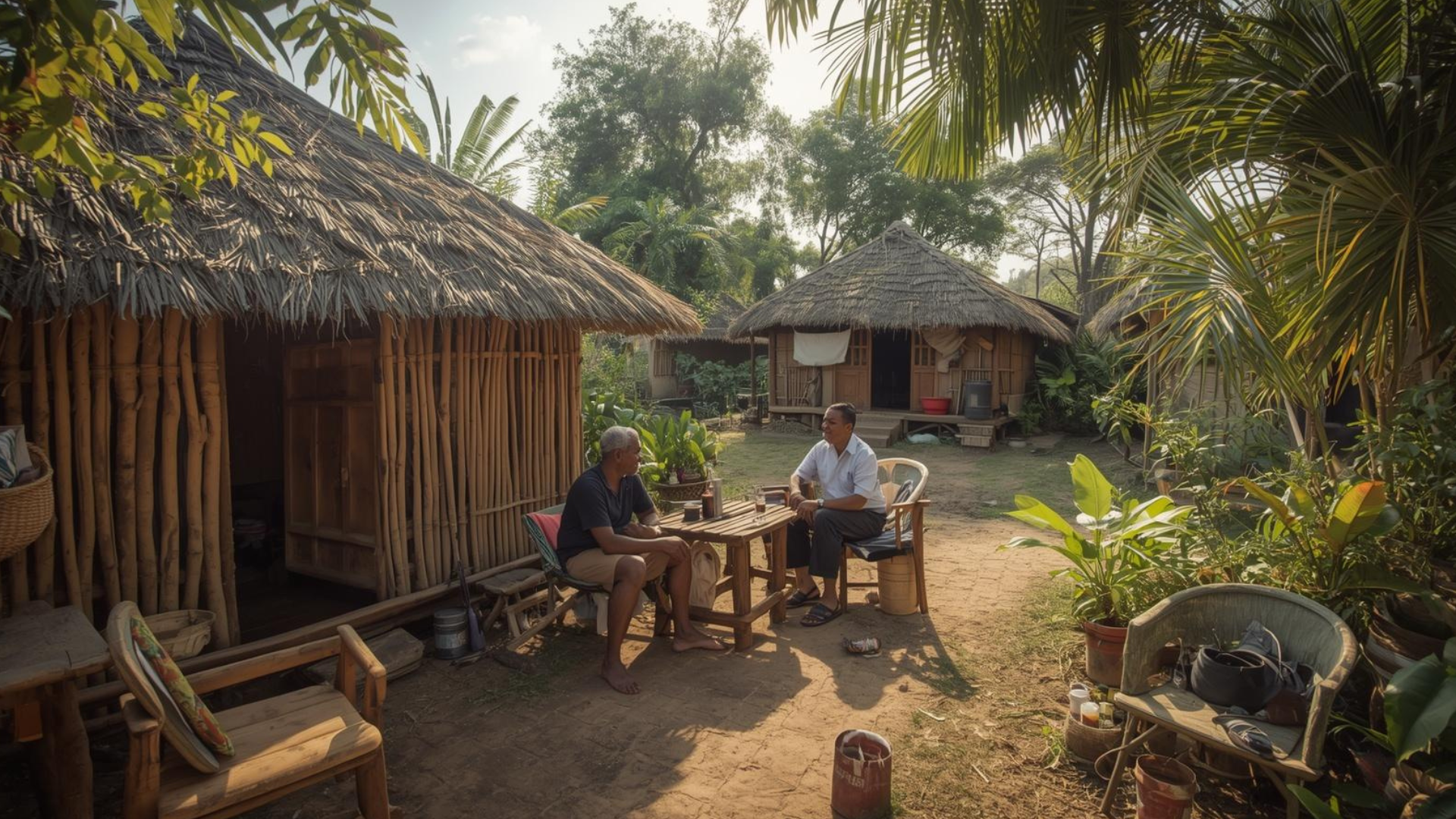
Tourism in Uganda is often linked to big hotels, national parks, and well-known tour companies. But across the country, especially in remote and rural areas, a quiet change is happening. Local people are starting their own small tourism businesses. They are building guesthouses, opening homestays, and creating eco-lodges using local materials and local knowledge. These small businesses may not look fancy, but they are powerful. They create jobs, support families, protect culture, and bring visitors closer to real Ugandan life. This blog explores how local people in Uganda are becoming tourism entrepreneurs, the opportunities they find, and the challenges they face. What Is Small-Scale Tourism Entrepreneurship? Small-scale tourism entrepreneurship means local people starting and running tourism-related businesses on a small level. These include: • Family-run guesthouses • Village homestays • Community eco-lodges • Campsites • Local guiding services Most of these businesses are started with limited money. They grow slowly, often using savings, family support, or community help. The goal is not to become big overnight, but to earn a stable income while sharing local culture and nature with visitors. Why Small Tourism Businesses Matter in Uganda Uganda has many beautiful places that are far from cities and main tourist routes. Big investors often ignore these areas. This creates space for local people to step in. Small tourism businesses matter because they: • Create local jobs • Keep money in the community • Reduce rural poverty • Promote cultural exchange • Encourage environmental protection When local people benefit from tourism, they are more likely to protect wildlife, forests, and cultural heritage. Guesthouses: A Simple but Powerful Business Model Guesthouses are one of the most common small tourism businesses in Uganda. How Local Guesthouses Start Many guesthouses start as family homes. A spare room becomes a guest room. Slowly, more rooms are added. Owners use local builders and materials to keep costs low. In towns near national parks, lakes, or cultural sites, guesthouses provide affordable accommodation for travelers who want a simple and friendly place to stay. Who Runs These Guesthouses? Most guesthouses are run by families. Women often manage bookings, cleaning, and cooking. Men may handle repairs and transport. Children sometimes help during school holidays. This shared effort helps families earn income together. Benefits of Guesthouses • Low startup cost • Steady income • Employment for locals • Personal connection with guests Many travelers prefer guesthouses because they feel more at home and learn about local life. Homestays: Welcoming Visitors Into Daily Life Homestays are growing slowly in Uganda, especially in cultural and rural areas. What Is a Homestay? In a homestay, visitors live with a local family. They eat local food, join daily activities, and learn about culture firsthand. Homestays are common near cultural sites, lakeside villages, and farming communities. Why Locals Choose Homestays Homestays do not need big buildings. Families use existing homes. What matters most is hospitality. Locals choose homestays because: • They cost very little to start • They fit into normal family life • They attract cultural travelers What Visitors Experience Visitors may help cook meals, fetch water, farm, or attend community events. This creates strong connections and mutual respect. Homestays help preserve traditions by making them valuable. Eco-Lodges: Tourism That Protects Nature Eco-lodges are small lodges built with nature in mind. They are often found near forests, lakes, mountains, or wildlife areas. How Eco-Lodges Are Built Local eco-lodges use: • Local materials like wood, stone, and grass • Solar power • Rainwater harvesting • Simple waste management systems Construction is done carefully to avoid harming the environment. Community Involvement Many eco-lodges are community-owned or employ local people. Some share profits with the village for schools, clinics, or conservation projects. This makes tourism beneficial for everyone, not just the owner. Real Opportunities for Local Entrepreneurs Small-scale tourism offers many opportunities for Ugandans. Growing Interest in Authentic Travel More travelers want real experiences, not luxury hotels. They want to meet locals, eat local food, and support communities. This trend supports small businesses. Use of Local Skills People use skills they already have: • Cooking • Storytelling • Farming • Craft making • Guiding No expensive training is needed to start. Support From NGOs and Programs Some organizations support community tourism with training, marketing, and small grants. This helps locals improve quality and reach visitors. Challenges Faced by Small Tourism Entrepreneurs Despite the opportunities, many challenges exist. Limited Capital Most people start with very little money. This limits expansion, marketing, and quality improvements. Poor Infrastructure Remote areas often lack: • Good roads • Electricity • Clean water • Internet This can discourage visitors and increase costs. Lack of Marketing Skills Many local business owners do not know how to promote their businesses online. They rely on word of mouth or local tour operators. Seasonal Tourism Tourism in Uganda is seasonal. During low seasons, income drops, making it hard to plan. How Communities Overcome These Challenges Local entrepreneurs are finding creative solutions. Working Together Some communities form tourism groups. They share resources, promote each other, and support quality standards. Learning From Experience Many business owners learn by doing. They improve slowly based on guest feedback. Using Simple Technology Mobile phones help with bookings, communication, and mobile money payments. Social media is slowly being adopted. Role of Women and Youth in Tourism Entrepreneurship Women and young people are playing a big role. Women Entrepreneurs Women often manage: • Homestays • Guesthouse kitchens • Craft shops Tourism gives women income and confidence. Youth Involvement Young people work as: • Guides • Translators • Social media promoters Tourism gives youth alternatives to migration and unemployment. How Travelers Can Support Local Tourism Businesses Visitors have a big role to play. Travelers can: • Choose local accommodation • Pay fair prices • Leave honest reviews • Respect culture • Recommend places to others Small choices create big impact. The Future of Small Tourism Businesses in Uganda Small-scale tourism in Uganda has a strong future. As roads improve and awareness grows, more travelers will explore remote areas. With proper support, training, and fair tourism practices, local entrepreneurs can build stable and sustainable businesses. Tourism should not replace culture or nature. It should protect them. Tourism Built by the People Small guesthouses, homestays, and eco-lodges show the true spirit of Uganda. They are built with hard work, hope, and pride. These businesses are not just places to sleep. They are stories of resilience, creativity, and community. When you choose local tourism in Uganda, you are not just a visitor. You become part of someone’s dream.