

Date: Jan. 26, 2026
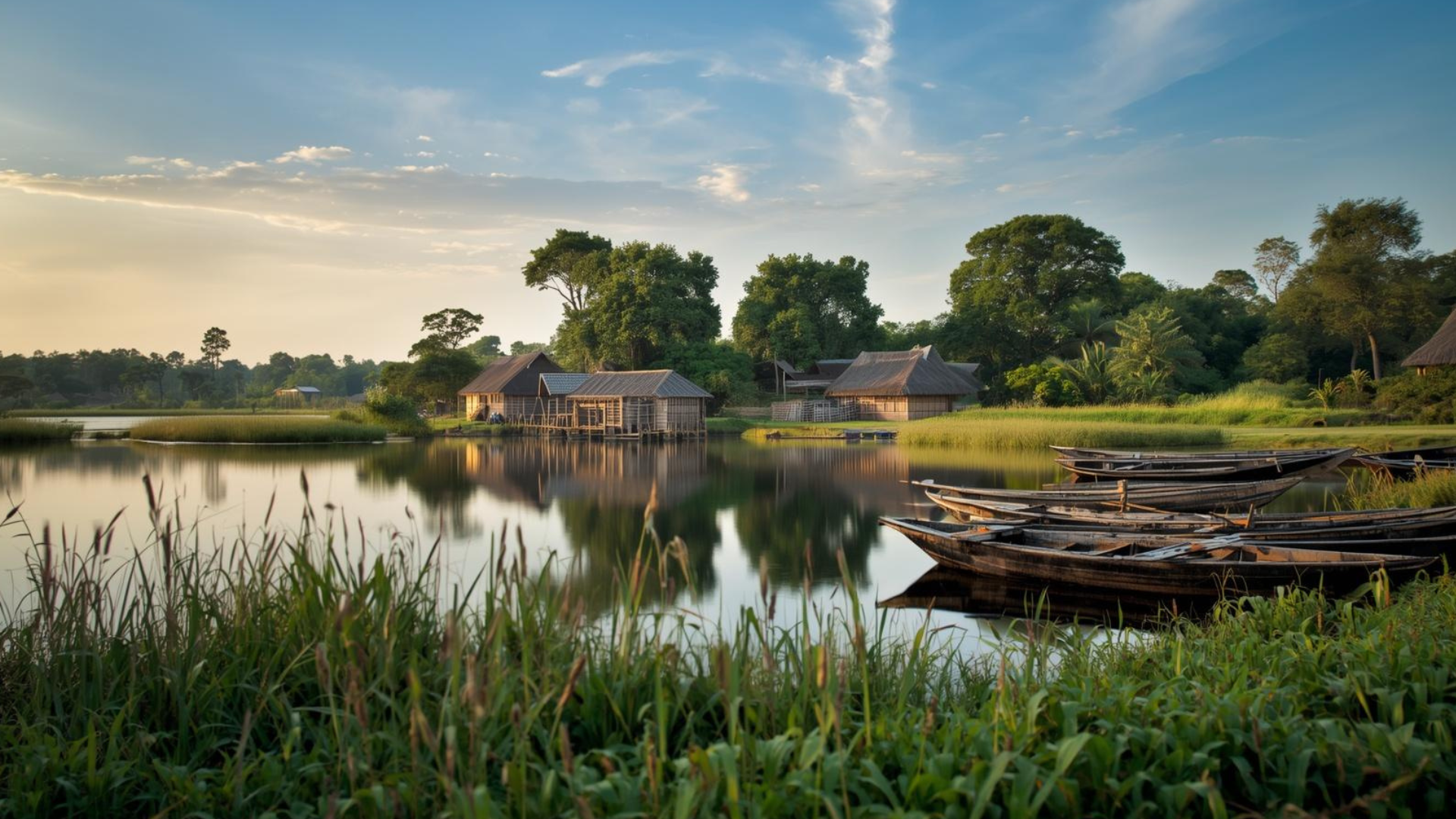
When people think about lakes in Uganda, Lake Victoria usually comes first. It is famous, large, and close to Kampala. But Uganda has many other lakes that are quiet, beautiful, and full of real local life. Around these lesser-known lakes, you will find small villages where fishing, farming, and community life are still very strong. These lakeside villages offer a different travel experience. There are no big crowds, no loud tourist centers, and no rush. Life moves slowly. People wake up early to fish, repair nets, cook simple meals, and share stories by the water. Visiting these places helps you understand Uganda beyond the usual tourist routes. This blog explores lesser-known lakes in Uganda, the villages around them, fishing traditions, daily life, and how travelers can visit respectfully. Why Visit Lesser-Known Lakes in Uganda? Uganda is called the Pearl of Africa for a reason. Its lakes are spread across the country, each with its own landscape, culture, and stories. Visiting lesser-known lakes gives you: • A chance to experience real village life • Peaceful natural surroundings • Cultural exchange with fishing communities • Fresh local food and warm hospitality • A deeper understanding of Uganda’s rural life These places are perfect for travelers who enjoy slow travel, nature, and meaningful connections. Lake Kyoga: Life Along the Shallow Waters Lake Kyoga is one of Uganda’s largest lakes, but it is not very deep. It lies in central Uganda and is surrounded by wetlands, islands, and fishing villages. Village Life Around Lake Kyoga Villages around Lake Kyoga depend heavily on fishing. Early in the morning, you can see fishermen heading out in wooden boats. Women often stay behind to smoke fish, dry nets, and prepare meals. Homes are simple, often made of mud and iron sheets. Children help with small chores and attend nearby schools. Life here follows the rhythm of the lake. Fishing Culture Fishing is passed down through generations. Many fishermen learned from their fathers and grandfathers. Fish like tilapia and catfish are common. Fishing is not just work. It is part of identity. Stories, songs, and beliefs are tied to the lake. Some communities believe certain parts of the lake are sacred and must be respected. Visiting Lake Kyoga Travelers can visit Lake Kyoga by road from Kampala or other central towns. Staying in nearby towns and visiting villages during the day is common. Always ask permission before taking photos and respect local customs. Lake Bunyonyi: Terraced Hills and Island Villages Lake Bunyonyi, located in southwestern Uganda, is known for its deep waters and many small islands. While it is more known than some lakes, many of its lakeside villages remain quiet and traditional. Daily Life in Lakeside Villages Villages around Lake Bunyonyi are built on hills and slopes. People grow crops like bananas, beans, and sweet potatoes on terraces. Fishing exists but is smaller compared to other lakes. Farming plays a bigger role. Canoes are still used for transport between islands and villages. Community and Culture Community life is strong. Neighbors help each other during planting and harvest seasons. Cultural values like respect for elders and communal decision-making are very important. Some islands have deep historical meaning, including stories passed through oral tradition. How to Visit Respectfully Lake Bunyonyi can be reached from Kabale. Visitors should choose local guides, stay in community-run lodges, and support local businesses. Lake Albert: Fishing Villages Along the Western Rift Lake Albert lies along Uganda’s western border and is part of the East African Rift Valley. It has a hot climate and a strong fishing culture. Fishing as a Way of Life Fishing villages around Lake Albert are busy and lively. Fish is the main source of income. Boats leave before sunrise and return with fresh catch later in the day. Fish markets near the shore are active places where buyers, sellers, and traders meet. Women play a big role in fish processing and selling. Challenges Faced by Communities Life around Lake Albert is not always easy. Communities face challenges such as changing water levels, limited services, and economic pressure. Still, people show strength and adaptability. Visiting Lake Albert Villages Visitors can reach Lake Albert through Hoima or Masindi. Guided visits are recommended to understand local life and avoid disturbing daily activities. Lake Bisina and Lake Opeta: Hidden Gems of Eastern Uganda These two lakes are located near Lake Kyoga but receive far fewer visitors. They are surrounded by wetlands and quiet villages. Calm and Simple Living Life around these lakes is slow and peaceful. Fishing is done on a small scale. People also grow crops and keep livestock. Birdlife is rich, and nature lovers will enjoy the calm environment. The villages here are less influenced by tourism, making visits feel very authentic. Cultural Traditions Communities around these lakes hold onto traditional values. Elders play a big role in decision-making. Oral storytelling is common in the evenings. How to Visit These lakes are best visited with local guides or community contacts. Visitors should be prepared for basic conditions and minimal facilities. Fishing Culture Across Uganda’s Lakes Fishing is more than a job in Uganda. It shapes daily routines, diets, and social life. Tools and Methods Most fishermen use wooden boats and nets. Some still use traditional methods passed down through generations. Fishing schedules depend on weather, moon cycles, and water conditions. Knowledge of the lake is deeply respected. Food and Daily Meals Fish is usually eaten fresh, smoked, or dried. Meals are simple and filling. Common foods include posho, matooke, cassava, and greens. Sharing food is part of community life. Visitors are often offered meals as a sign of welcome. Role of Women in Lakeside Communities Women play a major role in lakeside villages. They process fish, sell food, manage households, and care for children. Many women run small businesses near landing sites, selling snacks, tea, and cooked meals. Their work supports families and keeps communities running. Supporting women-led businesses during visits helps strengthen local economies. How Tourism Can Support Lakeside Villages Responsible tourism can bring positive change if done well. Visitors can: • Stay in locally owned guesthouses • Hire local guides • Buy local food and crafts • Learn and respect local customs Tourism should not disrupt daily life. It should support education, conservation, and cultural preservation. Tips for Visiting Lesser-Known Lakes Here are some important tips for travelers: • Dress modestly • Ask before taking photos • Learn a few local greetings • Be patient and open-minded • Respect fishing areas and sacred sites • Avoid littering and pollution These small actions make a big difference. The Future of Uganda’s Lakeside Villages Many lakeside villages are changing slowly. Roads, phones, and education are becoming more common. Young people are exploring new opportunities while still valuing tradition. Protecting lakes and supporting sustainable fishing is important for the future. Climate change, pollution, and overfishing are real concerns. Community-led conservation and awareness can help protect these lakes for generations to come. Discovering Uganda Beyond Famous Lakes Uganda’s lesser-known lakes and villages offer a deep and honest travel experience. They show how people live with nature, depend on water, and support one another. Visiting these places is not about luxury. It is about understanding, respect, and connection. If you want to see the real Uganda, go beyond Lake Victoria. Sit by a quiet lake. Talk to fishermen. Share a meal. Listen to stories. You will leave with memories that last.