
Date: Jan. 5, 2026
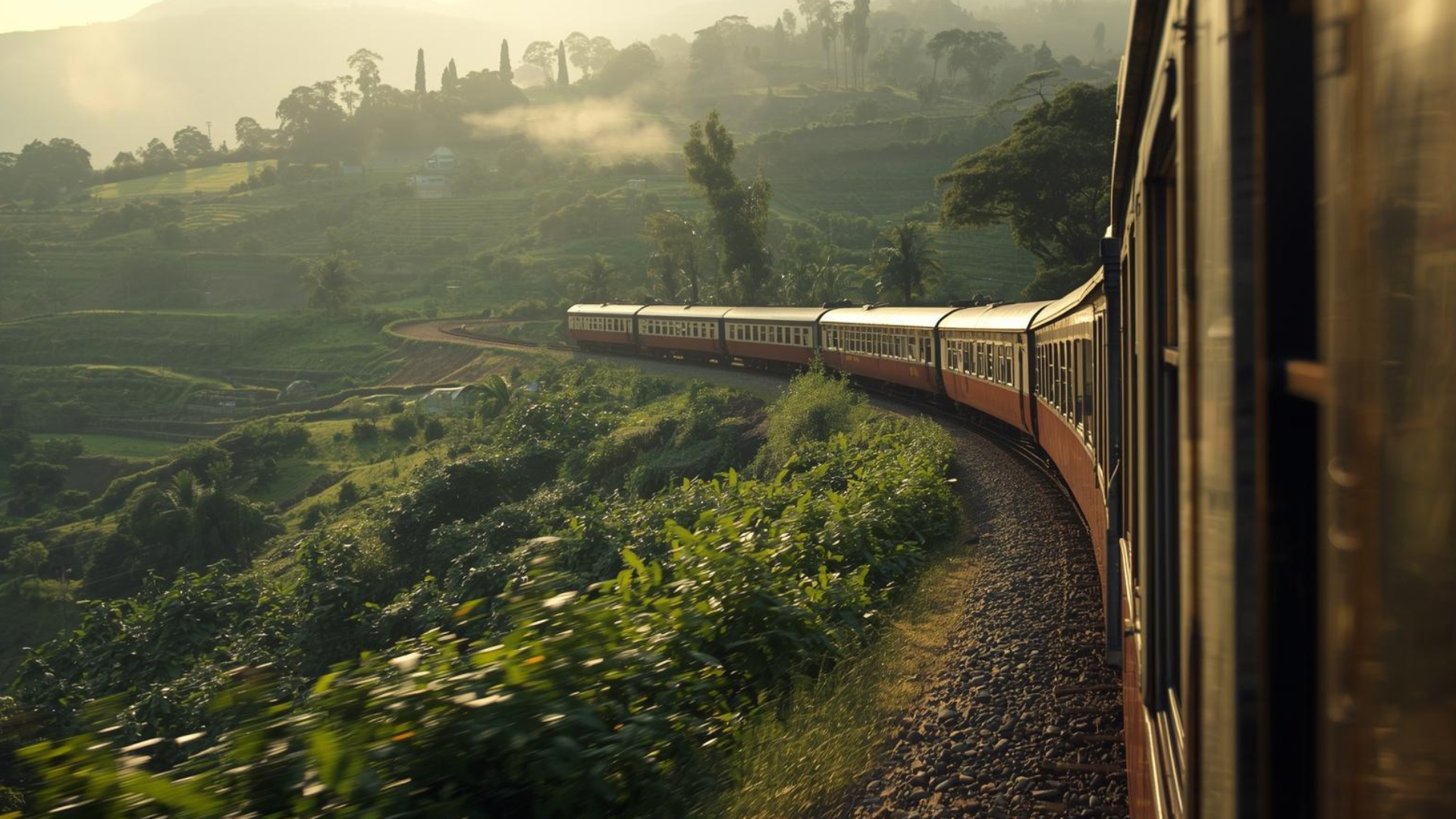
Uganda is often called the Pearl of Africa. When people talk about traveling in Uganda, they usually think about safaris, national parks, lakes, and road trips. Very few people think about trains. Yet Uganda has a long and interesting railway story. Old train tracks, quiet stations, and rail towns still exist across the country. They may not be fast or modern, but they carry deep history, beautiful views, and real local life. Traveling by rail in Uganda is not about speed. It is about slowing down, watching the land change, meeting people, and feeling the past. This guide explores Uganda’s scenic train routes, historic rail towns, and what travelers should know if they want to experience Uganda by rail. A Short History of Railways in Uganda Uganda’s railway story began during the colonial period. The British built railways mainly for trade and administration. The famous Uganda Railway was built to connect the coast of Kenya to the interior of East Africa. Kampala became an important rail point because of trade goods like coffee, cotton, and tea. Over time, rail transport reduced as roads improved and funding declined. Many rail lines became quiet or stopped working fully. But the tracks, towns, and stations remain. They tell stories of workers, traders, families, and communities that grew around the railway. Today, some railway services still operate, mainly for cargo and limited passenger use. Even where trains no longer run, rail towns remain worth visiting for history lovers and slow travelers. Why Explore Uganda by Rail? Exploring Uganda by rail is different from road travel in many ways. First, train routes often pass through areas you might not notice by road. You see villages, farms, rivers, wetlands, and hills from a peaceful angle. Second, railway towns have unique character. Life there moves slowly. Old buildings, markets, and stations show how towns grew around the tracks. Third, rail travel connects you to real local life. You sit with ordinary people. You hear stories. You share food. It feels less like tourism and more like living. This kind of travel is perfect for people who enjoy culture, history, photography, and meaningful journeys. Scenic Train Routes in Uganda Uganda does not have many active passenger train routes today, but the existing and historic routes still offer scenic value and travel ideas. Kampala to Jinja Railway Line This is one of the most well-known rail routes in Uganda. It connects Kampala, the capital city, to Jinja, the source of the River Nile. The journey passes through green countryside, sugarcane fields, small trading centers, and wetlands. Along the way, you see farmers working, children playing near the tracks, and cattle grazing. Jinja itself is a beautiful rail destination. The railway once helped Jinja grow as an industrial town. Even today, you can find old railway buildings and warehouses near the Nile. Tororo Rail Route Tororo is another important railway town in eastern Uganda. It sits near the border with Kenya and was once a major transport and trade center. The route toward Tororo offers views of flat plains, rocky landscapes, and Mount Tororo Rock rising in the distance. The town still has a strong railway identity, even though passenger services are limited. Tororo is also a good base for exploring nearby areas like Mbale, Sipi Falls, and the slopes of Mount Elgon. Northern Rail Lines toward Gulu The northern railway lines played a big role in connecting northern Uganda to the rest of the country. Although many sections are no longer active, the towns along the route still show railway influence. Traveling through towns like Lira and Gulu, you can see old stations and railway housing. These towns tell stories of resilience, recovery, and growth after years of conflict. Even if you travel by road today, following the old rail route gives you a deeper understanding of northern Uganda’s history. Historic Rail Towns Worth Visiting Rail towns in Uganda are not loud or crowded. They are calm, historic, and full of stories. Here are some rail towns that deserve attention. Jinja: Uganda’s Railway and River Town Jinja is one of the best examples of a Ugandan rail town. The railway helped turn Jinja into an industrial center during colonial times. Today, Jinja is known for adventure tourism, the River Nile, and relaxed town life. But if you walk around slowly, you will notice old railway buildings, workers’ houses, and abandoned tracks. Visiting Jinja by rail or exploring its rail history adds depth to the experience. You can imagine goods moving from the interior to the coast and people arriving to start new lives. Kampala Railway Area Kampala’s railway station area is often ignored by visitors, but it holds deep history. The station near the city center was once busy with traders and travelers. Around this area, you will find old warehouses, markets, and communities that grew because of the railway. It is a good place for walking tours, photography, and learning about Kampala’s past. The contrast between modern Kampala and the quiet railway spaces is striking and meaningful. Tororo: A Border Rail Town Tororo’s identity is closely tied to the railway. The town grew as a stopover point for goods and people traveling between Uganda and Kenya. The railway station area still feels active, with traders, small shops, and daily life continuing around it. Tororo Rock adds a dramatic natural background to the town. Visiting Tororo gives travelers a sense of how railways shaped border towns and local economies. Life Around the Railway: People and Culture Railway towns are not just about tracks and trains. They are about people. Many families have lived near railways for generations. Some worked as railway staff. Others ran small businesses serving travelers. Even today, people use the railway space for markets, walking paths, and social gatherings. You may see children playing near old tracks, vendors selling snacks, and elders sharing stories about the days when trains were full and loud. Listening to these stories helps you understand how important the railway was in shaping modern Uganda. What to Expect When Traveling by Rail in Uganda Traveling by rail in Uganda requires patience and flexibility. Passenger services are limited and schedules may change. Trains may be slow. Facilities are basic. But this is part of the experience. You should not expect luxury. Instead, expect: • Simple seating • Friendly conversations • Local food vendors • Beautiful views • Unexpected delays If you enjoy slow travel and surprises, rail journeys in Uganda can be deeply rewarding. Tips for Travelers Interested in Rail Exploration If you want to explore Uganda’s railway heritage, here are some helpful tips. Plan Ahead Check current rail services before planning a journey. Some routes may only run cargo trains or occasional passenger services. Combine Rail and Road Travel You can travel part of the way by train and continue by road. This allows you to explore rail towns even if trains are not running. Talk to Locals Local people know the railway stories best. Ask questions. Listen. You will learn things no guidebook can teach. Respect Safety Rules Do not walk on active tracks. Be careful around old structures. Always prioritize safety. Take Your Time Rail travel is about the journey, not the destination. Slow down and enjoy the experience. The Future of Rail Travel in Uganda Uganda is slowly investing in railway revival, especially for cargo transport. There is hope that passenger rail will also improve in the future. Modern rail projects may bring faster trains and better connections. But even as Uganda moves forward, preserving railway history is important. Old stations, tracks, and towns should be protected as cultural heritage. They remind us of where the country has come from and how communities were built. Why Rail Tourism Matters for Uganda Rail tourism can support local economies in a quiet and sustainable way. Visitors who explore rail towns often spend money on local food, accommodation, and crafts. It also helps preserve history and stories that might otherwise be forgotten. Rail tourism encourages slow travel, which is better for the environment and for cultural understanding. For Uganda, rail tourism offers a chance to show a different side of the country, beyond safaris and city life. Rediscovering Uganda Through Rail Exploring Uganda by rail is not about ticking places off a list. It is about connection. Connection to history, people, land, and stories. Scenic train journeys and historic rail towns offer a deeper, calmer, and more human way to see Uganda. They remind us that travel does not always need to be fast or perfect to be meaningful. If you are looking for a unique way to experience Uganda, follow the tracks. They may lead you to unexpected beauty.