

Date: Jan. 19, 2026
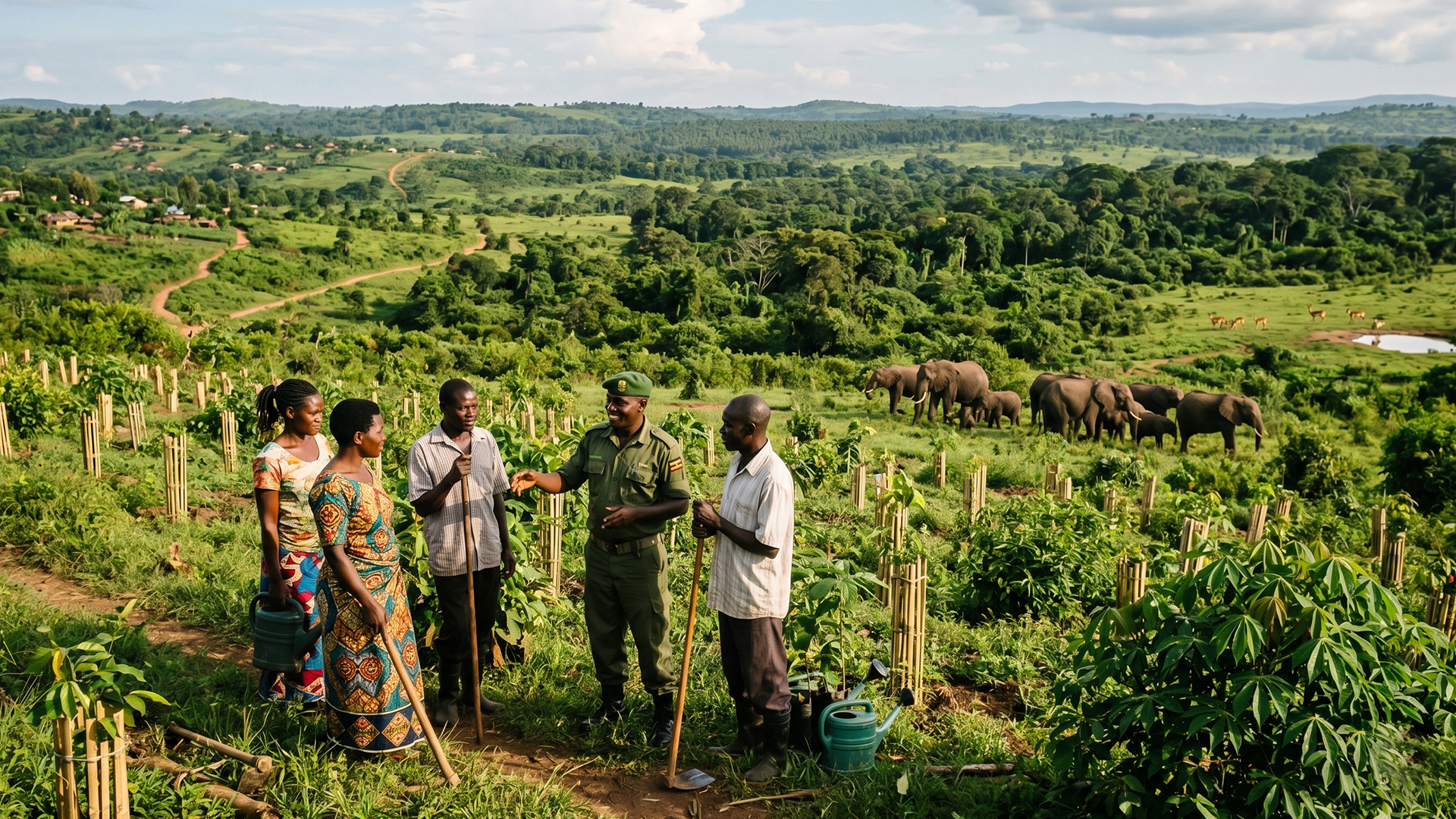
Uganda is a country rich in nature. From lush forests to vast savannahs, wetlands, and mountains, the country has incredible biodiversity. But like many places, Uganda faces environmental challenges—deforestation, poaching, and habitat loss. Despite these problems, there are inspiring conservation success stories across the country. Communities, organizations, and government programs are finding ways to protect wildlife, restore forests, and live in harmony with nature. This blog explores community-led conservation, forest restoration projects, and wildlife-human coexistence initiatives in Uganda. These stories show that even small actions can make a big difference. Why Conservation Matters in Uganda Conservation is important because: • Uganda has unique wildlife, including gorillas, elephants, and birds • Forests and wetlands provide clean water and air • Healthy ecosystems support farming, fishing, and tourism • Protecting nature preserves cultural and traditional values Without conservation, people, animals, and plants all suffer. Community-Led Conservation Communities are at the heart of many conservation successes. Example: Bwindi Impenetrable Forest Communities In Bwindi, communities near the forest work with park authorities to: • Protect gorilla habitats • Monitor illegal activities • Educate children about wildlife Communities benefit from tourism, jobs, and training, creating a sense of ownership. Example: Lake Mburo and Local Rangers Villagers around Lake Mburo National Park help monitor wildlife, prevent poaching, and report conflicts between humans and animals. Local involvement improves both protection and trust. Forest Restoration Projects Deforestation is a serious problem in Uganda, but some projects are reversing the damage. Tree Planting Initiatives Villagers and schools plant trees to: • Prevent soil erosion • Provide firewood sustainably • Restore habitats for wildlife Success Story: Mabira Forest Restoration Local groups have helped replant large sections of Mabira Forest. These efforts improve biodiversity, protect water sources, and create jobs for local people. Wildlife-Human Coexistence Sometimes wildlife enters farmlands, causing conflicts. Uganda has developed strategies to reduce these conflicts. Fencing and Early Warning Systems Farmers use fences, chili barriers, or watchtowers to protect crops from elephants and baboons. Communities learn to protect both themselves and the animals. Eco-Tourism Benefits When local people earn money from tourism, they see wildlife as valuable rather than a threat. Programs around Queen Elizabeth National Park and Mgahinga Gorilla National Park show this approach works. Conservation Education Education is key to success. • Schools teach children about biodiversity • Workshops train farmers on sustainable farming and wildlife safety • Awareness campaigns reduce hunting and illegal logging Educated communities are better at protecting nature. Partnerships Supporting Conservation Conservation often succeeds when communities, NGOs, and government work together. • Uganda Wildlife Authority provides training and oversight • NGOs support education, equipment, and tree planting • International organizations provide funding and expertise Collaboration multiplies the impact of small efforts. Success in Protecting Endangered Species Uganda has seen successes in protecting species like: • Mountain gorillas in Bwindi and Mgahinga • Elephants in Queen Elizabeth National Park • Chimpanzees in Budongo Forest With community support, poaching and habitat loss are being reduced. Economic Benefits of Conservation Conservation creates income for local people. • Jobs in eco-tourism • Selling handicrafts to tourists • Sustainable farming and forestry When people benefit financially, they are more motivated to protect nature. Challenges Facing Conservation Despite successes, challenges remain: • Human population growth pressures land • Illegal logging and poaching continue • Climate change affects ecosystems • Limited resources for monitoring and enforcement Addressing these challenges requires ongoing effort and community participation. Innovative Conservation Practices Some communities use creative approaches: • Bee fences to keep elephants out of farms • Community forests managed by local groups • Eco-lodges that fund conservation efforts These methods combine tradition, science, and local knowledge. Inspiring Stories From Local Heroes Many individuals make a difference: • Rangers risking safety to protect wildlife • Villagers planting trees and educating neighbors • Teachers involving children in eco-projects These heroes show that anyone can contribute to conservation. How Tourists Can Support Conservation Visitors play a role by: • Choosing eco-friendly lodges and tours • Respecting wildlife rules • Supporting local businesses • Learning from communities about conservation efforts Tourism can help fund and sustain these projects. Why Uganda’s Conservation Success Stories Matter Globally Uganda shows that conservation works when communities are involved. These stories provide lessons for other countries: • Protect wildlife while supporting livelihoods • Restore degraded forests • Balance human needs with nature Uganda’s approach highlights hope and practical solutions. Protecting Nature Together Uganda’s forests, wildlife, and rivers are treasures worth protecting. The success stories show that when communities, authorities, and organizations work together, real change is possible. Conservation is not just about animals or trees—it’s about the future of people, culture, and the planet. With continued effort, education, and cooperation, Uganda can remain a green, wild, and vibrant country for generations to come.