
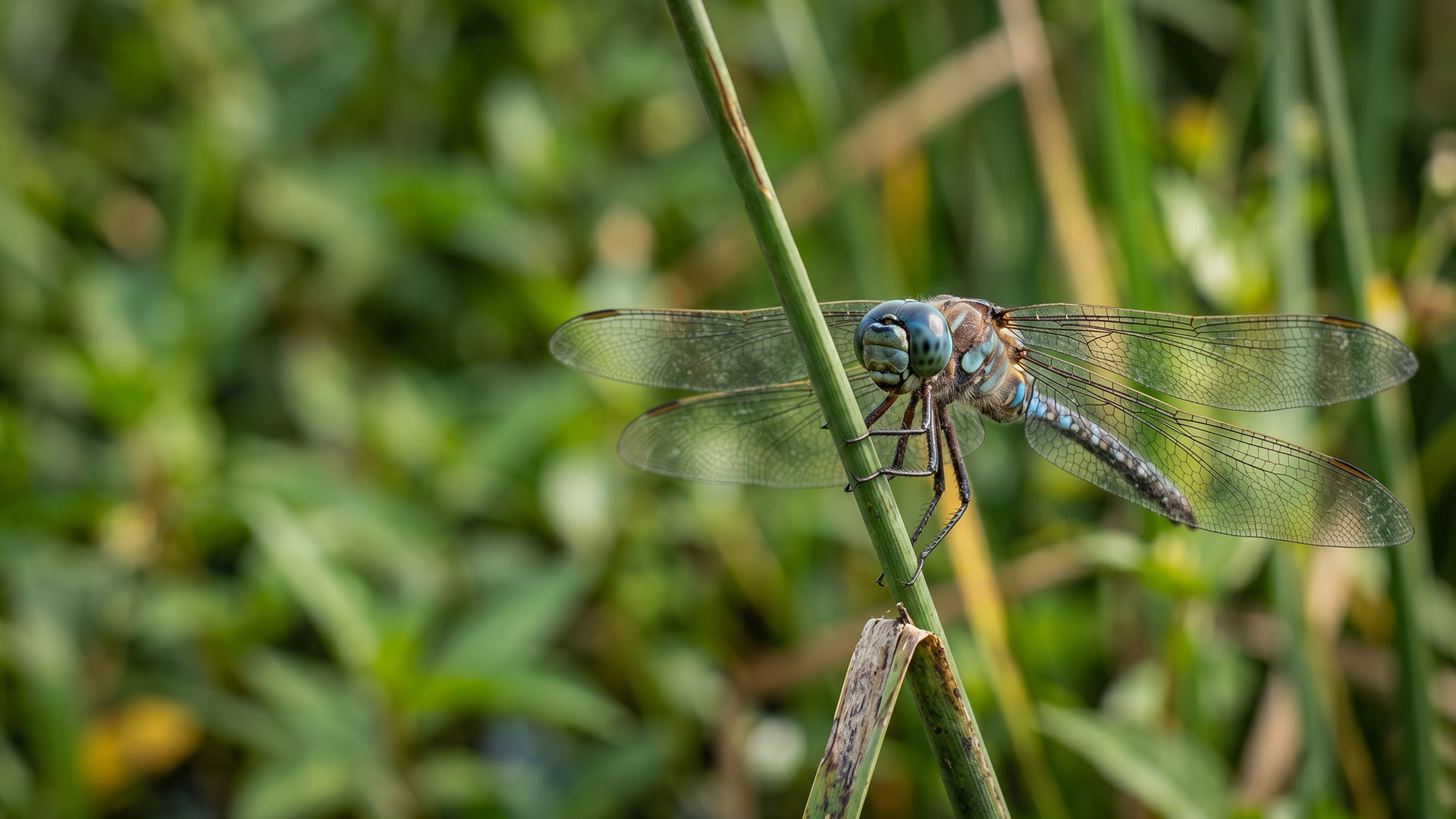

Date: Oct. 27, 2025
When we think of nature in Uganda, many of us think of the big things: gorillas in Bwindi, elephants in Murchison, lions, birds, forests, rivers. But beneath our feet, in the soil, on the leaves, in the water—there is another world. A world of small insects, tiny creatures, microfauna. They are often invisible, ignored, even forgotten. Yet they do incredible work. They keep soils healthy. They clean water. They pollinate flowers. They break down dead things. They feed the next creature up the chain. If they go missing, many of the big and beautiful things we love will suffer.
This is a story of those tiny creatures in Uganda: insects and microfauna. Why they matter, examples, what scientific studies show, what local people know, threats, and what we can all do to protect them.
What Are Microfauna & Why “Tiny Creatures”?
Microfauna refers to very small animals, often invisible to the naked eye or needing magnification. This includes soil fauna (tiny worms, springtails, mites, nematodes), insects at larval or aquatic stages, macroinvertebrates in water, small beetles, ants, termites, etc.
Macrofauna are a bit larger—earthworms, larger insects—but are still part of what some call “below-ground biodiversity” or “soil invertebrates.”
Together, insects and microfauna are all around: soil, leaf litter, water, under logs, inside termite mounds, etc. They are essential “helper” species—often not seen, yet doing work that sustains ecosystems and even human life.
What Research Tells Us About These Tiny Creatures in Uganda
Soil Macrofauna in Different Ecosystems
A study in Namanyonyi Sub-County, Mbale District compared soil macrofauna (larger soil invertebrates) in fallow land, mixed cropping, and eucalyptus plantation. It found many species across 12 orders: ants, termites, beetles, spiders, centipedes, millipedes, etc. The diversity varied by type of land use. Intensive monocultures or plantations had fewer kinds and less abundance.
Another review records that natural forests have many soil macrofauna per square meter (earthworms, termites, arthropods). But when forests are cleared or soil used for agriculture, many of these tiny species decline.
Termites are a major component. They are found in forest soils, savannah soils, and are sensitive to land-use change. When forests are cleared, termite species diversity drops sharply.
Edible Insects and Cultural Importance
Insects are consumed in many parts of Uganda. In the Lango region, people eat winged termites, soldier termites, grasshoppers/crickets. They collect them seasonally, process them, and use them as snacks or side dishes.
In southwestern Uganda and the Lake Victoria basin, insects like grasshoppers, palm weevil larvae, and termites are eaten. They serve as important sources of protein and income.
Ecosystem Services: Soil Health, Pollination, Water Quality
Tiny soil invertebrates help break down dead plant matter and release nutrients into soil. Some species aerate soil, helping water penetrate and roots grow. In freshwater ecosystems, macroinvertebrates recycle organic material and serve as food for fish and birds. They also act as indicators of pollution. Many small insects pollinate wild plants and crops.
What Local People Know & Do
Local people in Uganda often have deep knowledge of insects and microfauna—for food, soil fertility, weather, and culture. Farmers recognize termites as both pests and helpers. Termite mounds provide fertile soil and building material. Many communities harvest edible insects, preserving traditional knowledge passed down through generations.
Why The Tiny Creatures Matter More Than We Think
Challenges Facing These Tiny Creatures
What We Could Do: Protecting & Respecting Tiny Creatures
A Story: How These Tiny Creatures Saved a Farmer’s Field
A farmer named Amina in eastern Uganda learns that soils with earthworms and termites are healthier. She stops over-tilling, keeps leaf litter, and uses compost. Over time, her soil softens, retains moisture, and yields improve. By valuing tiny creatures, her farm becomes more resilient.
What Happens If We Ignore Them
What You Can Do: As a Reader, Farmer, Citizen
The tiny creatures in Uganda—insects, soil microfauna, aquatic macroinvertebrates—are often forgotten because they are small. But they matter. They keep soil alive, clean water, help our food grow, and support life. By respecting and protecting them, we help build a healthier, resilient Uganda.