

Date: Sept. 15, 2025
Uganda's landscapes teem with life—from the misty slopes of Bwindi Impenetrable Forest to the sweeping savannahs of Queen Elizabeth National Park. While the roar of lions and the rustle of chimpanzees often draw the spotlight, there's a quieter, powerful force shaping conservation: the women of Uganda.
These women are not just spectators—they’re working in the field, guiding conservation policy, teaching in classrooms, and inspiring communities to cherish and protect wildlife. Their contributions are changing the future of Uganda’s natural heritage, one careful step at a time.
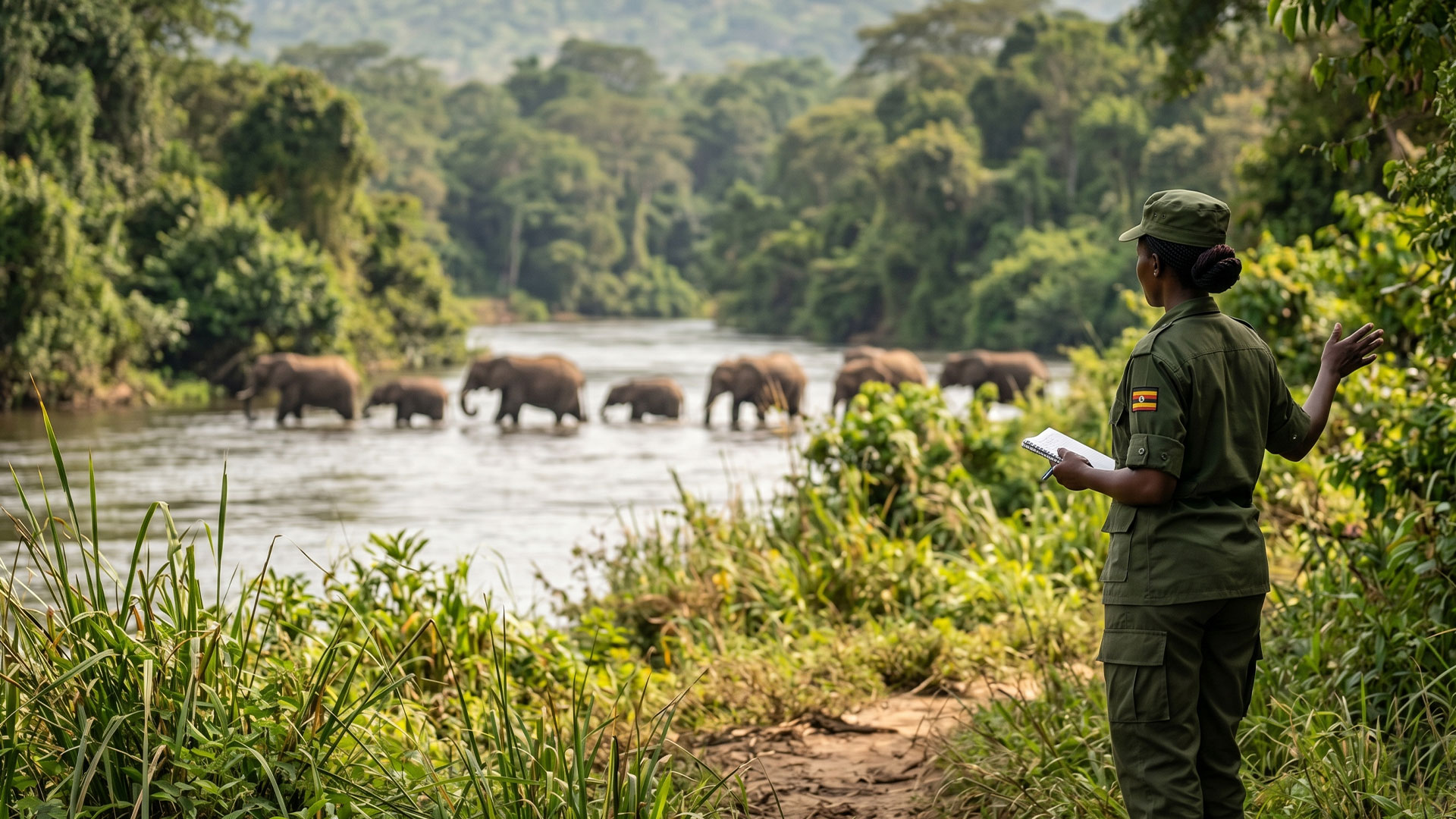
Historically, conservation roles—like rangers or park officials—were more often held by men. But things are changing. Across Uganda, women are donning ranger uniforms, charting patrol routes, and walking the same paths that their fathers and grandfathers once guarded.
Take the women rangers of Uganda Wildlife Authority—they protect endangered species, monitor habitats, and lead rescue missions for injured wildlife. Their presence redefines what protection can look like: strong, focused, and deeply committed to a shared future.
Uganda’s female guides are transforming how visitors experience wildlife. Whether trekking for gorillas in Bwindi or watching hippos in the Kazinga Channel, these guides invite visitors to connect—through stories, soft observations, and shared wonder.
One guide told me how she learned from her grandmother how birdcalls mirror emotions—excitement in the dawn chorus, calm in the evening hum. That knowledge grew into tours where visitors don’t just see birds—they feel the forest breathing.
In protected areas, conservation isn't just about fences and fines—it’s about community trust. Women are leading the way in schools and village forums, teaching children and families why forests matter, how water flows from hills into rivers, and why every creature has a place in the web of life.
At Lake Mburo, women lead wetland cleanup crews, and at Mt. Elgon, they manage tree nurseries, growing seedlings that feed erosion-control projects. By managing land and guiding children, they're shaping both nature and the next generation.
For many women living near protected forests, wildlife and daily life coexist closely. Hippos graze at night, primates raid crops, and fuelwood brings lasting scars. Yet, women also carefully gather medicine plants, walk well-worn paths, and understand the forest’s medicine and stories.
Today, women are working with conservationists to build barriers, rotate fields, and explore beekeeping as an alternative livelihood—reducing wildlife conflict while building resilience. Whether planting a buffer or teaching a neighbor, their everyday choices add up to long-term conservation.
In Jinja and surrounding regions, beekeeping by women is preserving habitats and creating income. When orchards and forests are transformed into apiaries, elephants—and even destructive species—stay away. Honey becomes livelihoods, community activity, and wildlife buffer all in one.
These women are not just harvesting honey—they’re protecting parks, funding schools, and demonstrating that conservation and income can go hand in hand.
Representation matters. As female scientists, managers, and policymakers emerge in conservation roles, they bring different perspectives—listening for community stories, weighing social impact, and ensuring policies reflect women’s experiences.
From the Uganda Wildlife Authority boardroom to field-level decision-making, women are asking “How does this affect our children’s future?” and “Does wildlife benefit those who live among it?”
In turn, today’s women leaders are mentoring young conservationists. They host internships for university students, lead school eco-clubs, or train youth on how to monitor wildlife or map habitats.
I’ve sat in classrooms where girls were sprinting to mark birdhouses and count butterfly species—because a guide told them, quietly: “You can do this. You belong in the field.”
From wildlife-themed theater in schools to local craft fairs where adulthood is marked by planting trees, cultural events are powerful conservation tools—and led often by women.
These events wrap environmental education in community joy: the local play shows the story of a family saving a forest, the festival crowns a “green queen,” the neighborhood gathers to celebrate planting milestones. These gatherings weave conservation into community life.
Ugandan women in conservation face real challenges: lack of resources, heavy workloads, even skepticism. But they overcome with resilience, kindness, and community. They juggle fence repair with school needs, plant nurseries with neighborly support, walk patrols with child care arrangements.
They do it because nature needs them—and they know that a protected hill means clean water, food, and songs for children.
Uganda’s path forward depends on women—on their STEM projects, tour leadership, community gardens, and beehives. When conservation accounts for women's voices and works with their strengths, it becomes stronger—and more heartful.
So when you wander Uganda’s wild places—watch closely. You might spot a ranger pausing to band an orphaned bird, a guide teaching a child how to map a trail, or a bee box on a farmhouse porch. That small sound has a big meaning: here, conservation carries care in every hand.
Wildlife conservation in Uganda isn't just about safari images—it’s about everyday choices made by mothers, teachers, neighbors, guides. And many of these choices come from women.
By planting seedlings, mentoring youth, leading visitor learning, and weaving conservation into stories and songs, women are anchoring a future where wildlife and communities thrive together. That’s real conservation. That’s Uganda’s heartbeat.
Let me know if you'd like to highlight specific women leaders or learn how to connect with safe eco-initiatives—I’d love to help tell more of these stories.